In Summary

August 24: I’ve been home for a week now, and the introverted, contemplative, analytical person that I am has done some calculating and assessing. Herewith, some conclusions:
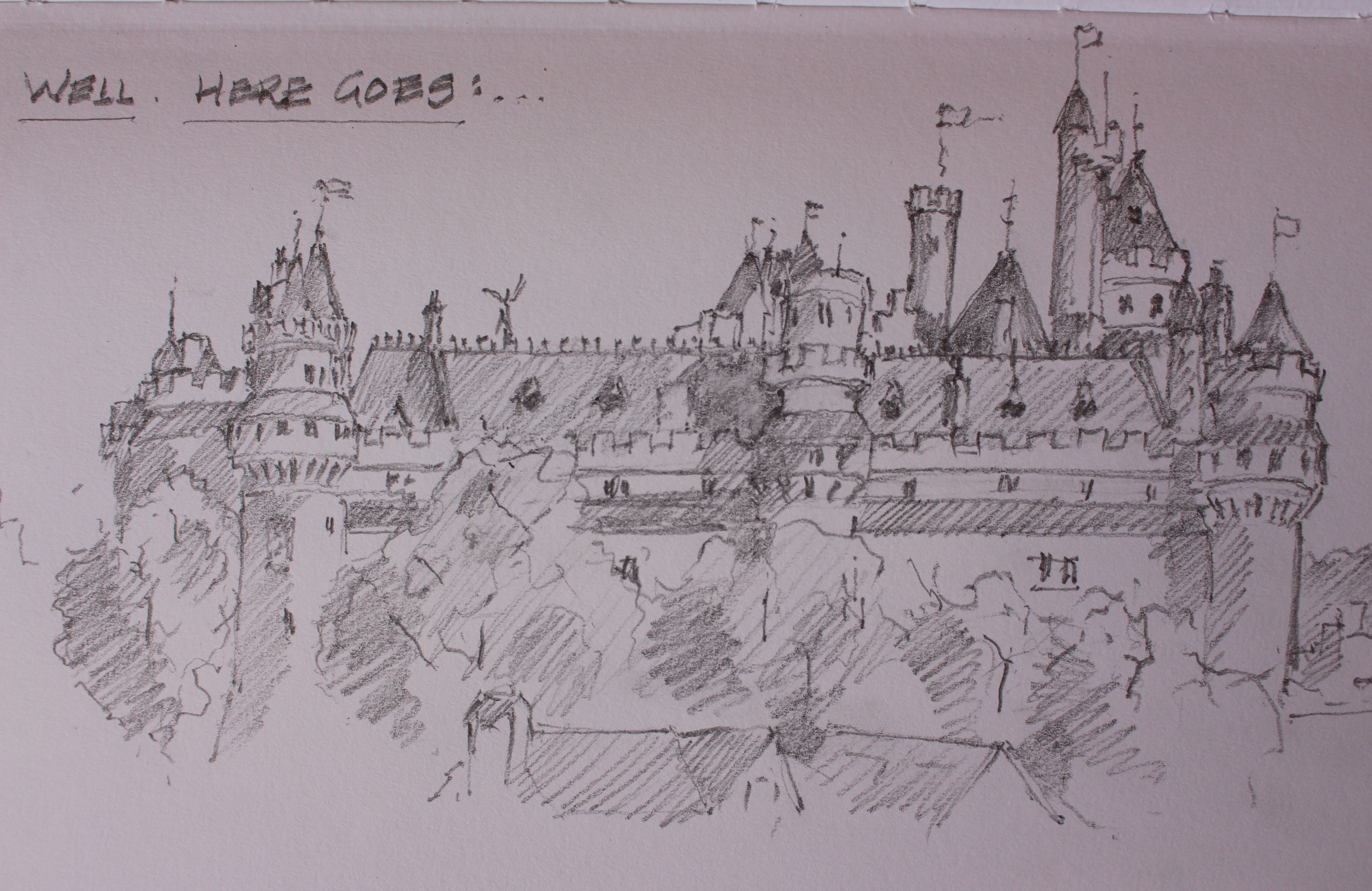
The trip lasted 60 days (June15 to August 15), excluding August 15 which I spent getting home. I include June 16, the day of arrival, as a full day because I did travel to the first hotel, and spend time in the afternoon doing various things to try and stay awake, including this sketch. I had 52 days with the bike, and I actually rode 42 days. Total mileage on the bike was 7,600 km or roughly 180 km per day. Of those days, I only had 3 days of real rain and unfortunately, one was the last day back to Heidelberg. It rained all day in 12C temperatures, so not a really pleasant way to end that part of the trip.
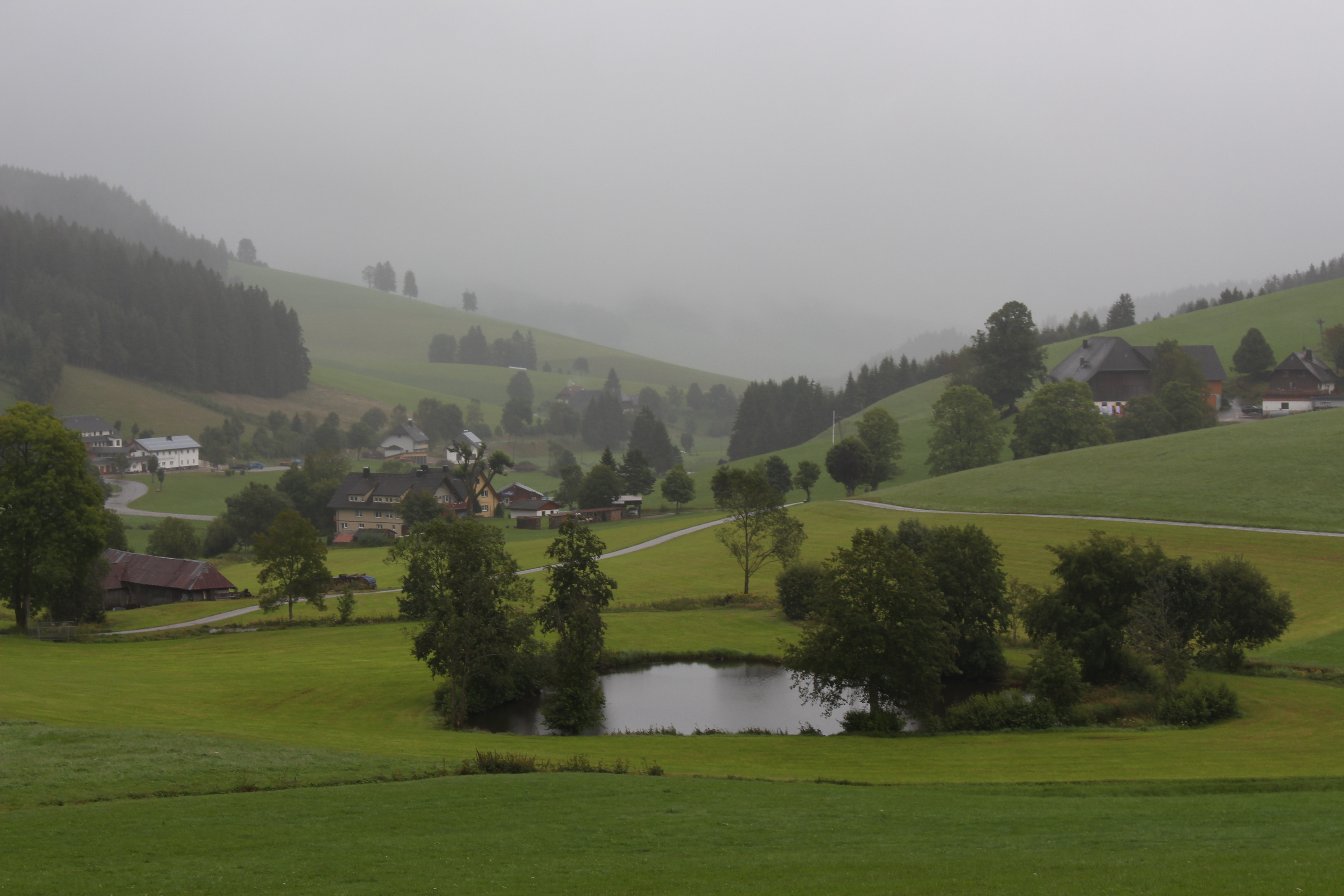
Waldau

Total cost for everything was roughly $17,500 (excluding the motorcycle). This includes airfare ($610), shipping the bike ($1400), travel connections like renting the car and taking the train four times, renting the house in Sablet ($900), all fuel, food and accommodation. This works out to be roughly $290 a day all in. Some things are obviously more expensive – gas was roughly 1.45 Euro a litre, and I probably bought a tank of fuel every other day – while others are comparable with Toronto prices. I found Switzerland most expensive, but not by a wide margin over Germany. Food and fuel were most expensive, but that might be a reflection of staying in a bigger city like Lausanne with a preponderance of Swiss bankers.

In the end though, the cost is almost irrelevant; if you want to do certain things, you have to pay for the privilege. I will still look for better value in things like hotel prices (since I see them as essentially places to sleep and little else), but I’m more ready now to spend a bit more for a good meal, another glass of really good wine, or the efficiency of a taxi rather than walking. As I have said before: “Why not…?”
I actually found the eight week duration of the trip to be too long. The fairly constant moving, packing and being alone took a toll. As well, I realized early in the trip that my efforts to write in my journal every day; to sketch as often as I could; to run every other day (I managed to run 24 times); to update this page frequently; and, to deal with daily e-mail and messages from home was too much to expect, and I often took a day off from all of that. At times I felt that taking a day to rest in a hotel with the bike parked was “wasting time”, but of course it was a perfectly appropriate response and a way of preserving my focus and sanity.
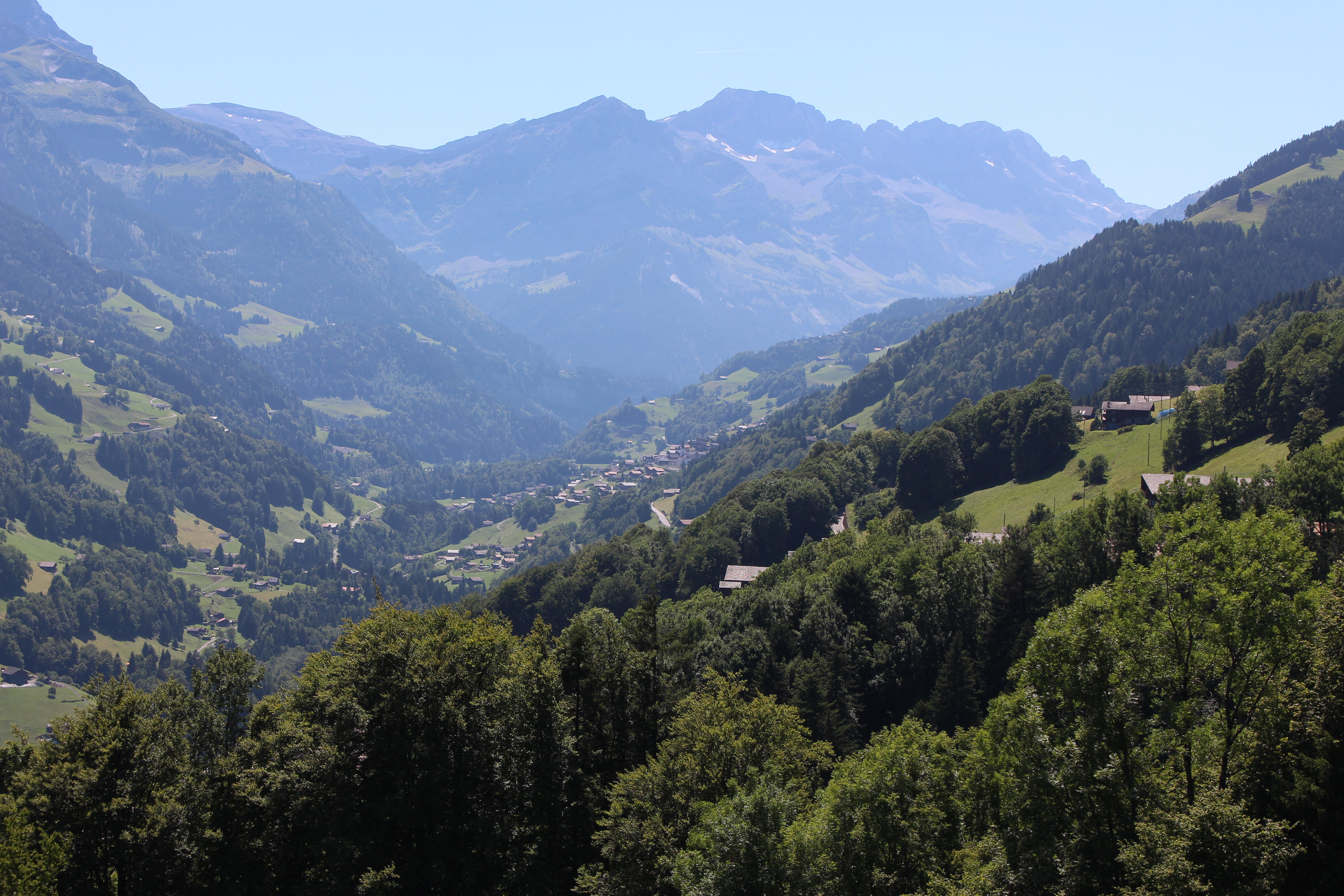
Col de Forclaz

I went where I had planned and saw most of the things I hoped to see. There were some rough patches – particularly at the early stages of the trip – but no disasters so I am happy about that. Highlights would include a seven-course gourmet meal in Waldau, Germany; celebrating my birthday in Lausanne; sitting on the patio of my room in Talloires with a glass of rose; the wine bar in Tain l’Hermitage; the Corniche des Cevennes at St Jean du Gard; and, the view off the top of the Col. Any Col.

Until next year, then.
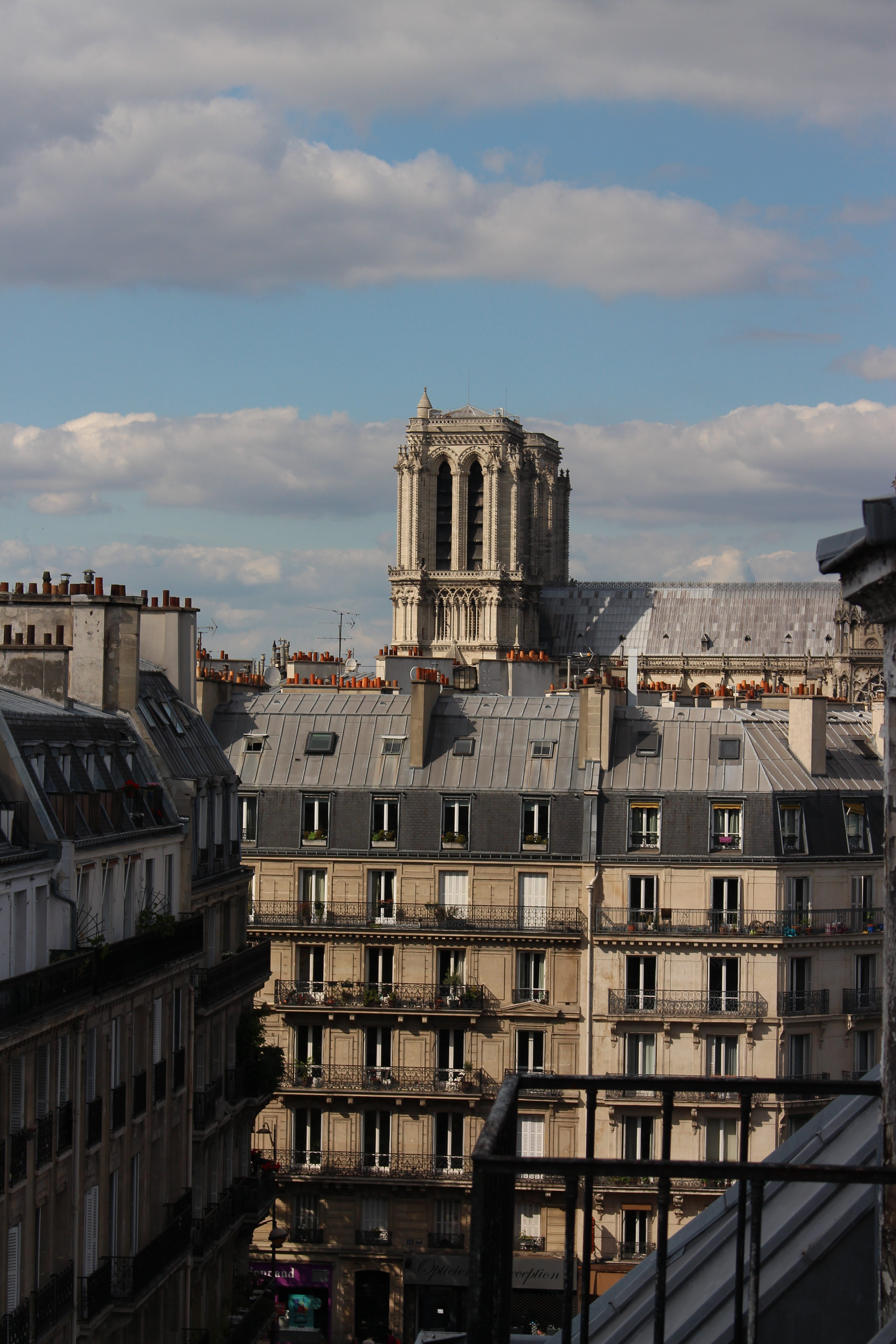
Paris. Or Brampton …

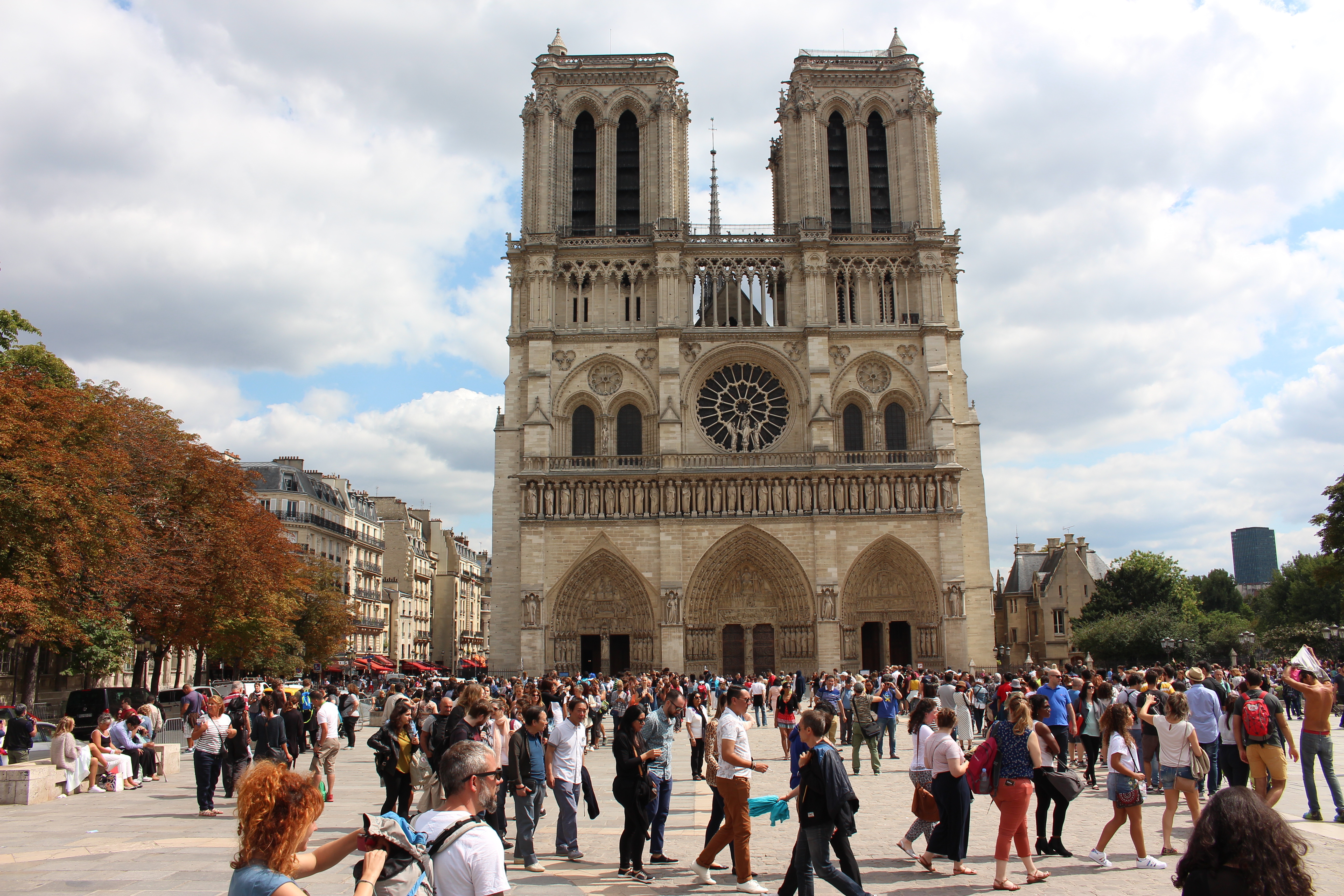
August 14: As I near the end of this little adventure, I find myself once more in Paris. I do love this place and chose to begin and end the trip here. So far, it has been wonderful: I was fortunate enough to be given a room upgrade that means I can see (the towers of) Notre Dame, and (parts of) Sacre Coeur, la Tour Eiffel and Pantheon from the small balcon outside the window.

That said, I find it a bit of an odd situation. I am a visitor to the city; that much is pretty obvious. But I’m here to visit France, and to try and learn something new about the country and its’ people. I do speak some (lousy) French, and try to deal with people in that language if I can. Yet, whenever I approach a restaurant or store counter the staff usually start out speaking English. Most menus are translated into English, and often other languages, and the food on offer is largely the same generic boeuf bourguignon, soupe a l’oignon, and salads. Many now offer Fish and Chips. So it feels very much like the French are trying hard to water down their identity, to find favour with tourists.

The hordes of people around Notre Dame testify to the power of tourism to France and the money it generates. France is the most visited country in the world, so it’s meaningful. It became meaningful because it was a distinct culture, yet France, and other European countries, seem caught up in the race to “sameness”. My friend McCart and I were in Brampton when he made a very astute comment: “Look at this street. We could be anywhere…” He was pointing out that the whole streetscape was chain stores that were identical to the same stores in other cities. The banks, the gas stations, the Swiss Chalet, the Starbucks are the same whether they are in Toronto or Ottawa – or Paris. I passed two Starbucks on my run this morning. And there is a Subway directly opposite Notre Dame.

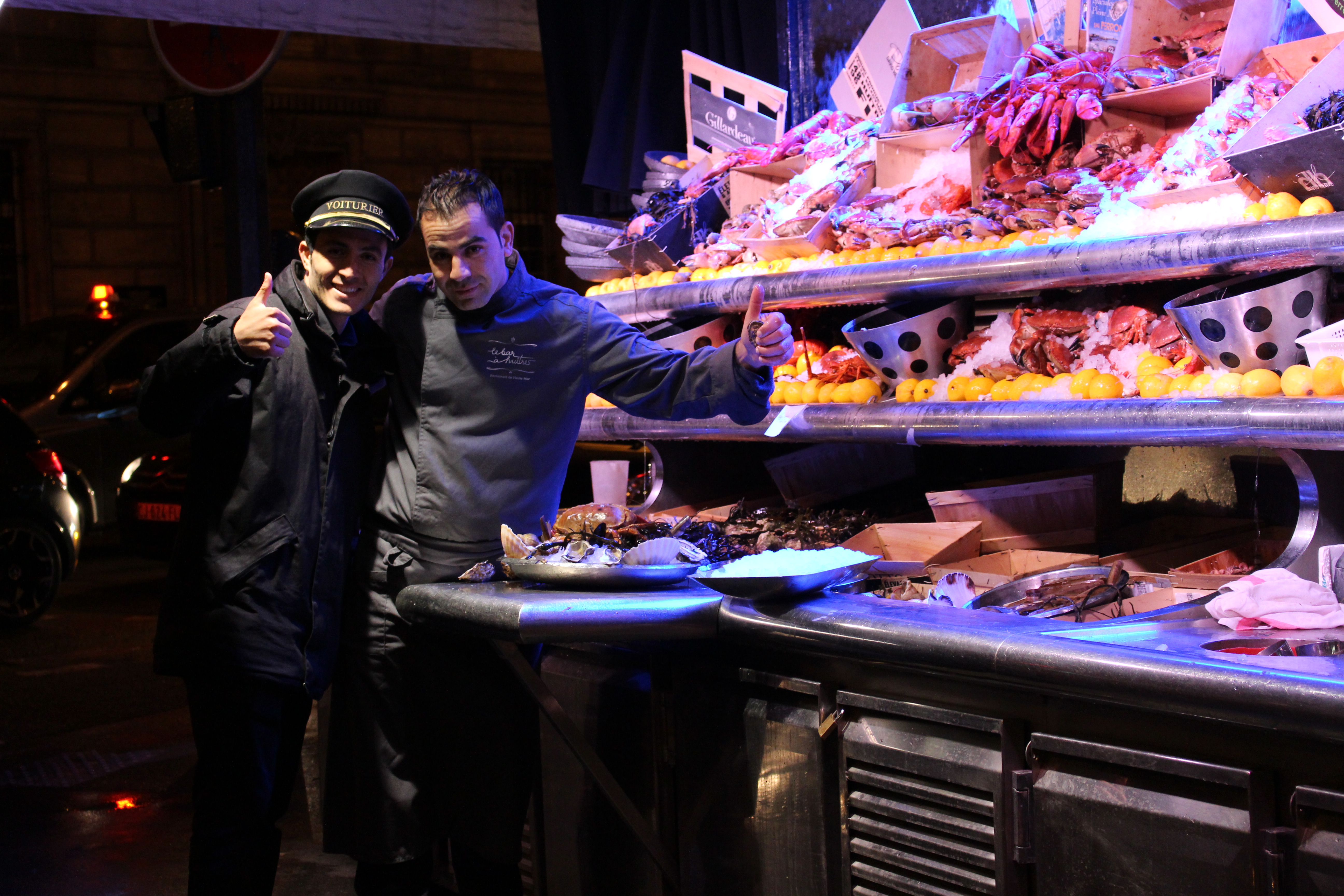
Granted, Paris is among the most-visited cities in the world, and this particular quartier is likely ground zero for those who visit, so it is not entirely representative of the entire country. Still, it’s a bit disappointing that I’m offered something I can get at home – whether in food or language – rather than the andouillette I had to hunt down at dinner last night. Strong, pungent, and worth every bite….

History in the Making

August 6: I have had the good fortune to see many cathedrals, forts, castles and chateaux on my visits to Europe. Many times, these are the most memorable highlights of the trip. It’s almost mandatory to visit a new city and visit the cathedral. Visit Paris, see Notre Dame.

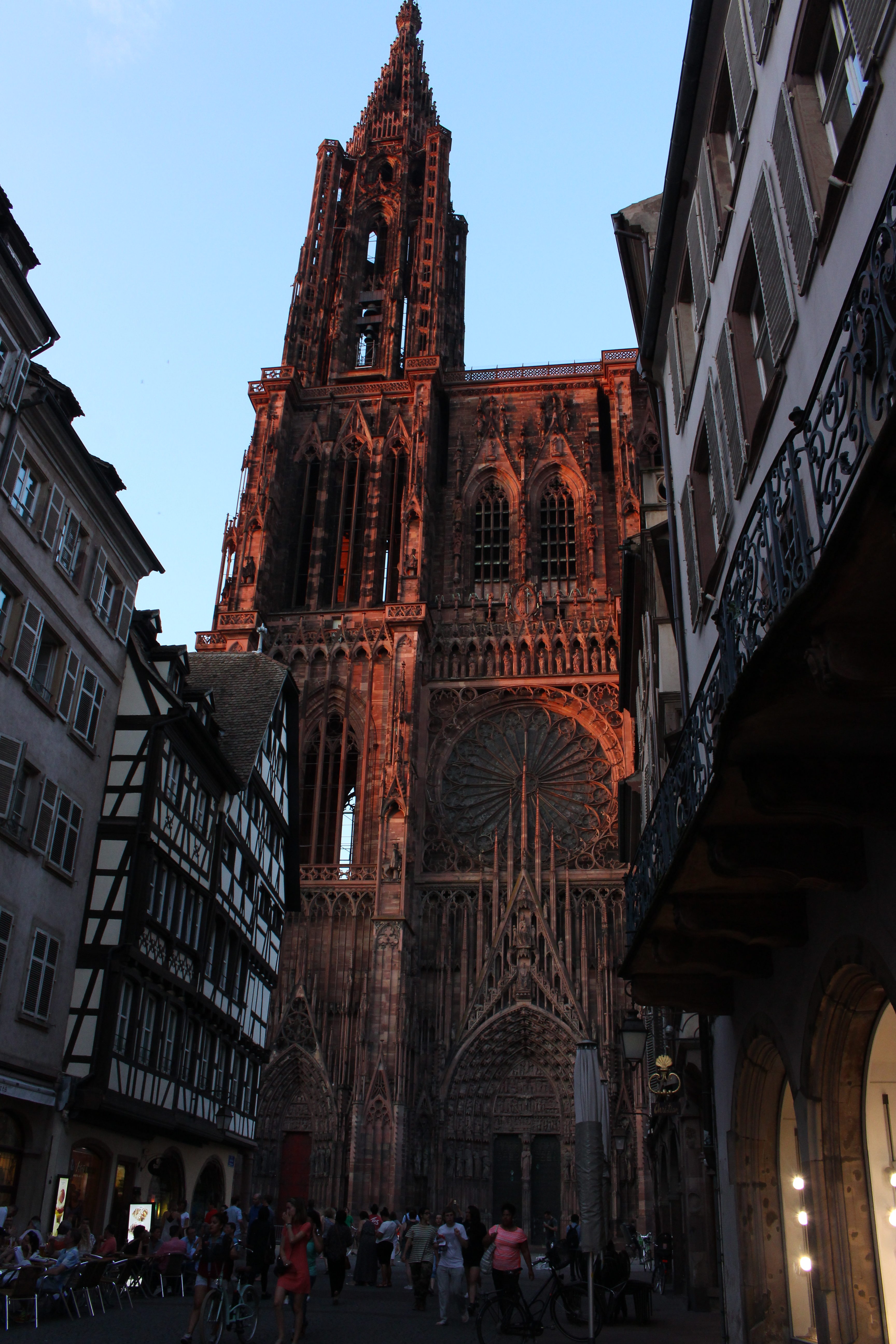
So this is Notre Dame de Strasbourg. Some would say it is among the finest examples of high Gothic design, and I spent a very long time, along with dozens of others, admiring its’ beauty. I’ve seen a good number of cathedrals over the years, but this one is truly remarkable. The reddish stone is distinctive, but what really stood out for me was the feeling of “lightness” the façades convey. The columns and statues create a sense of openness and delicacy that make the whole building seem less ponderous than most of the other cathedrals I’ve seen. The astounding thing for me is that each of those statues and columns is solid stone and a product of human hands, a hammer, and a chisel. No wonder it took more than 400 hundred years to build.

Provence Tourism

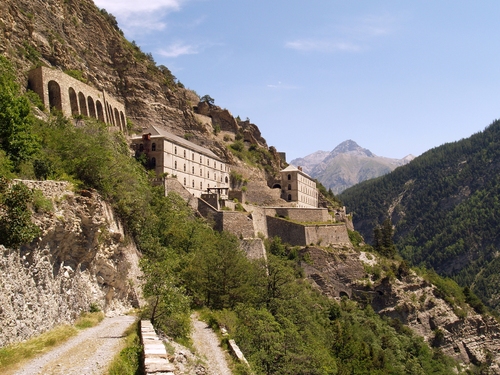
This is Le Fort de Tournoux which I discovered just east of Barcelonnette. It’s absolutely unexpected and spectacular. Constructed over a 40-year period and completed in 1863, it was built in 4 stages which rise 700 metres up a rocky spur in the L’Ubaye valley. It was intended to guard against the incursions of those sneaky Italians from the south through the Col de Larche and the Col de Vars. It last saw action during the Second World War, was occupied by the German army during 1944, and was recaptured by the French in 1945. It was decommissioned in 1948.

These are both magnificent buildings in their own way. Both represent the culmination of decades of planning and work to achieve a specific purpose. Notre Dame is awe-inspiring because, in its’ day, it was intended to remind peasants of the power and authority of the church over their lives. The Fort was built at a time of increasing paranoia over military invasion by men on horse-back. In spite of the significance for those who built them, the context changed and even though they are both spectacular and worth visiting in their own right, they are now little more than artifacts from a time long past.

http://www.ubaye.com/le-fort-de-tournoux.html

Squiggly Ones

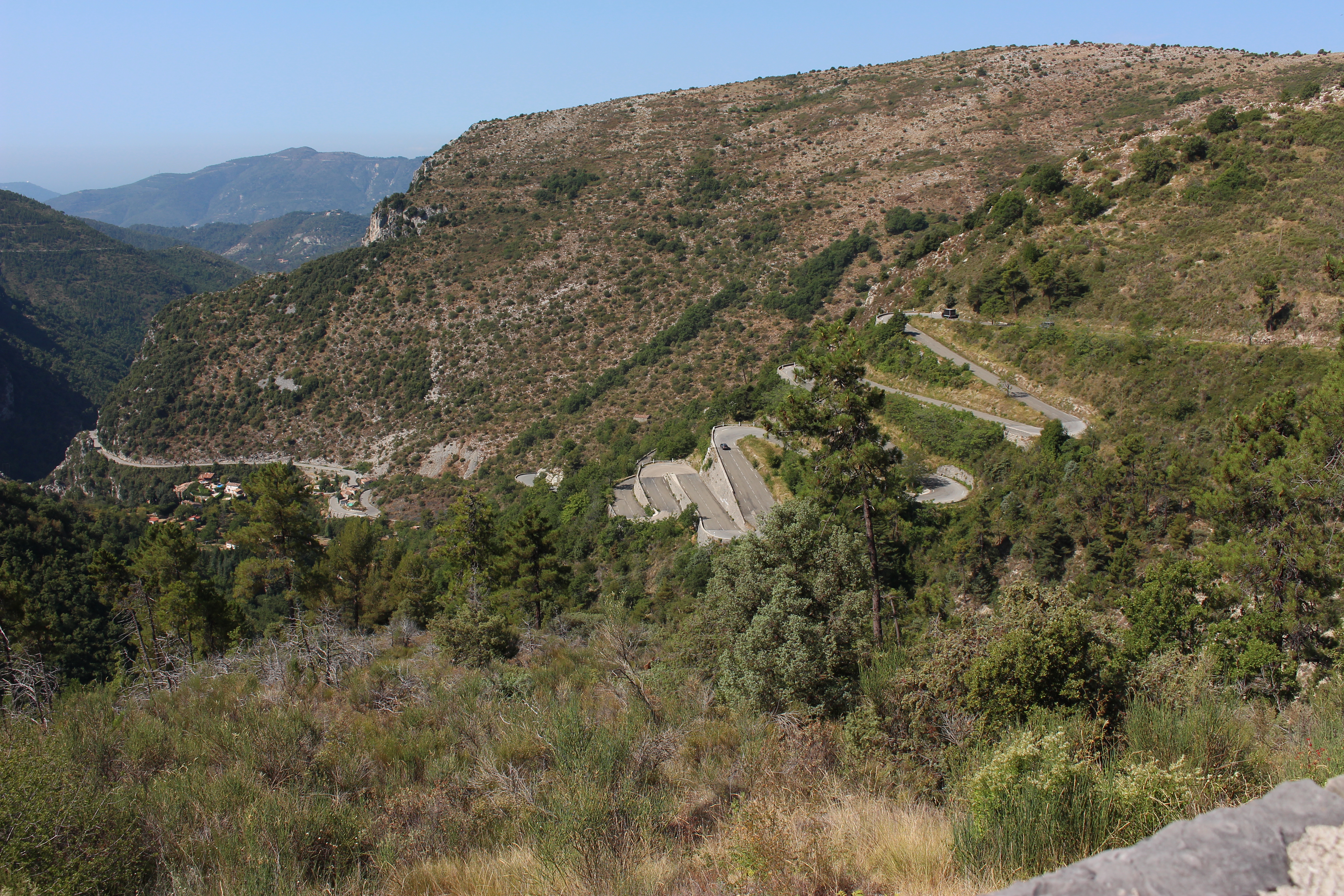
August 2: When planning my route, I am inevitably drawn to the yellow squiggly lines on the Michelin maps I use. They denote local roads, which I always imagine to be flowing, well-engineered and recently paved. Some turn out well, like this one on Col de Braus north of Nice. Others turn out to be narrow, gravel-strewn donkey tracks that leave me muttering into my helmet about my sanity for having chosen so poorly. Picture a poorly maintained road in the Kawarthas with a 100 metre drop-off on one side and no guide rail…

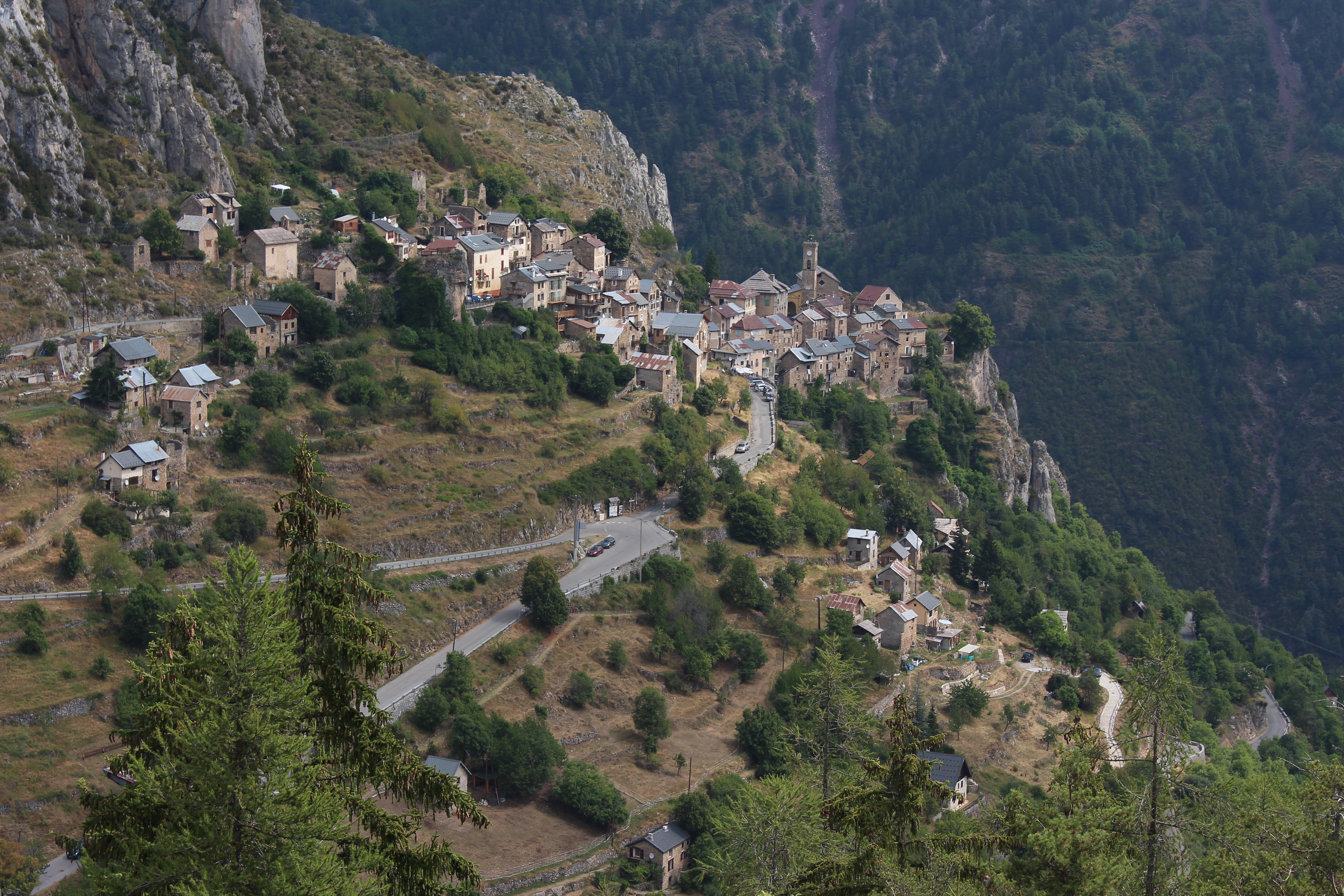
The thing is, so many of those roads lead to places like Roubion, seen here perched above the Vionene River. Towns of this period were built to be inaccessible to a certain extent; people needed to defend themselves from attack. And the roads likely developed from the paths that meandered between towns. So accepting the challenge of riding less-than-comfortable routes has the reward of visiting someplace special.

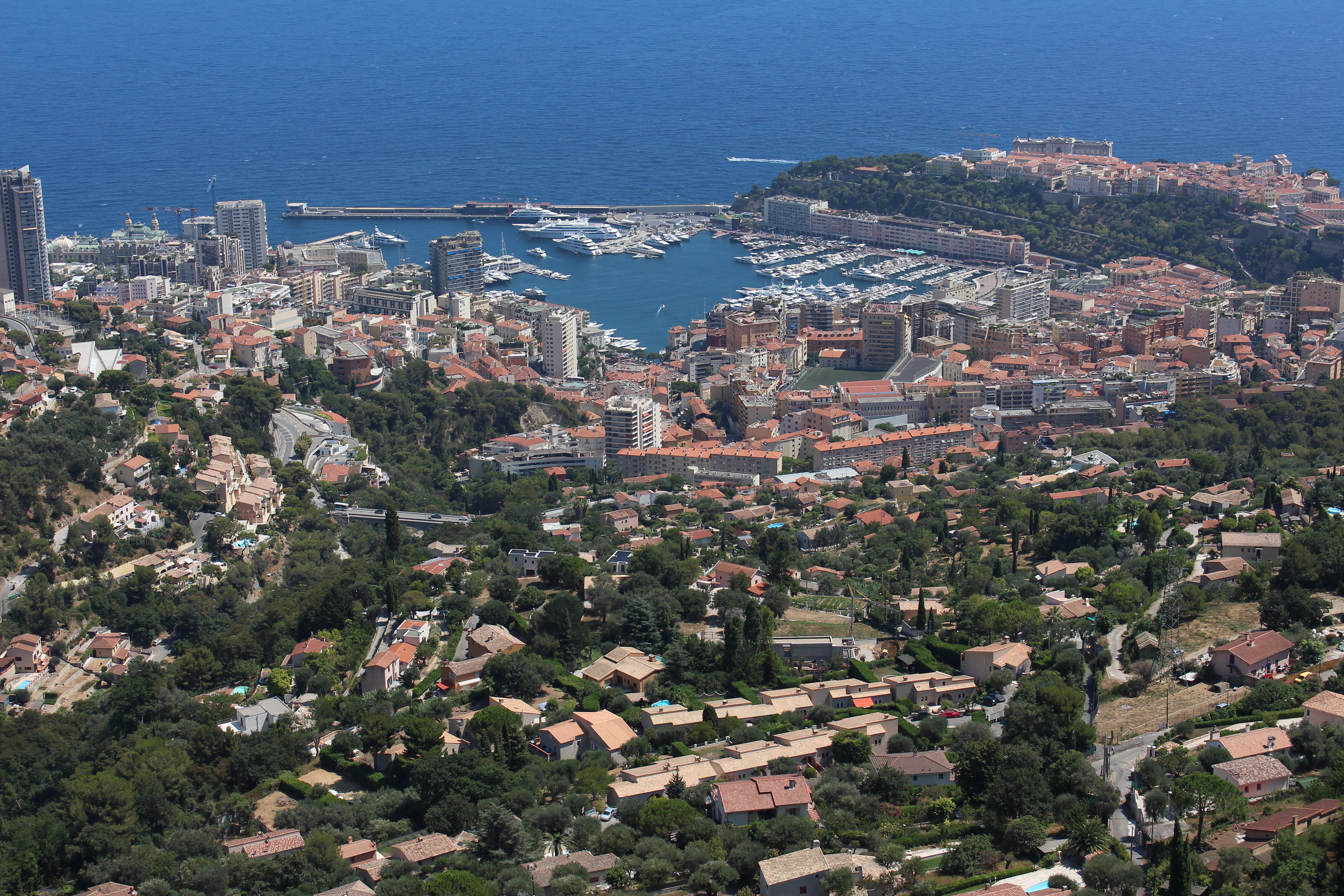
Seeking to avoid a torturous ride through Nice yesterday afternoon, I happened upon a yellow squiggly one that ran through the hills north of the Riviera. Some of these can be very rewarding, if for no other reason than you are not stuck in downtown Nice in 34C heat wearing full riding gear. This particular road had the added reward of leading to La Turbie, where you are rewarded with this special view of Monte Carlo.

Today I start moving north into the Alps. Most of the roads there are yellow squiggly ones and I know from experience that they are challenging. My reward will be the satisfaction of  motorcycling through them. And some truly special scenery.