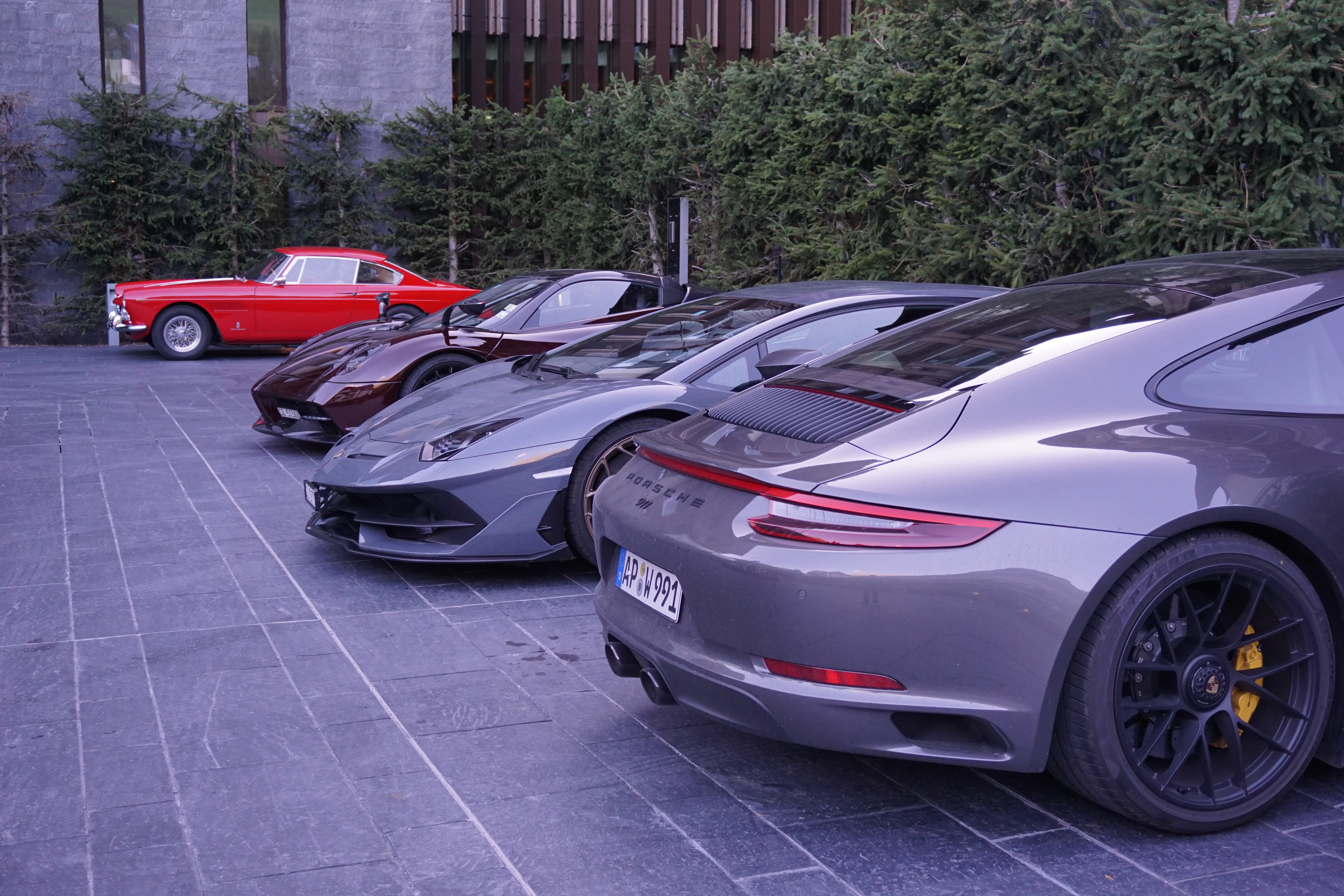
 August 27: Today I’m in Andermatt, in the heart of the Swiss Alps. Shortly after arriving yesterday, a parade of Porsche’s – obviously some sort of club on a tour – appeared at the hotel across the street. Over the next while a few other special cars turned up, including these. The one in the middle is a Pagani Huayra. Powered by a 12 cylinder motor, it cranks out 800 hp and will do something over 310 km/hr – just the thing for a winding mountain road with no guardrails. Retail price starts at $2.5 million. When we mentioned the car to the waiter in our hotel, he said that cars like this are common. They come to that hotel frequently. Retail price for the rooms starts at 790 Euro a night.
https://www.thechediandermatt.com/de
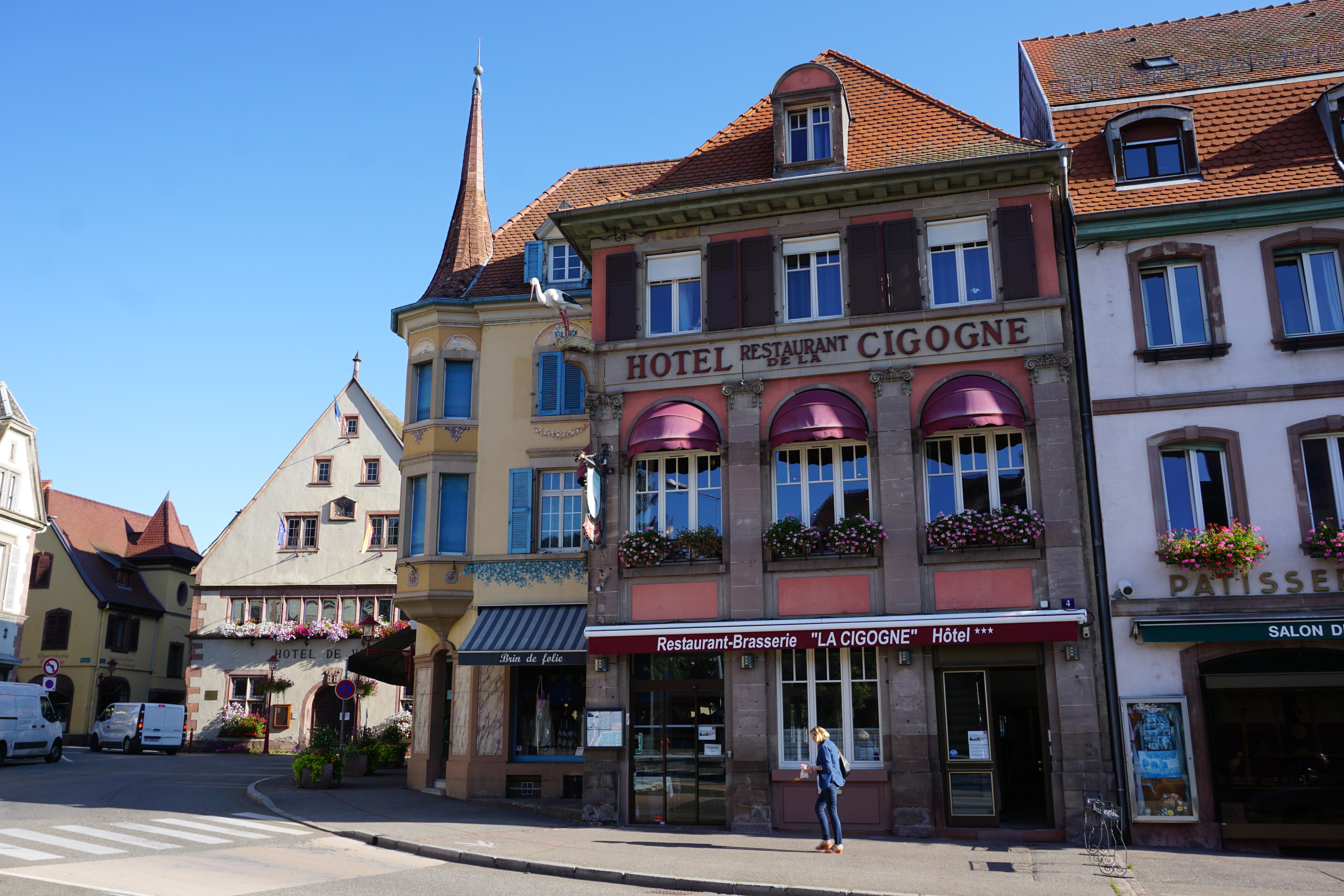
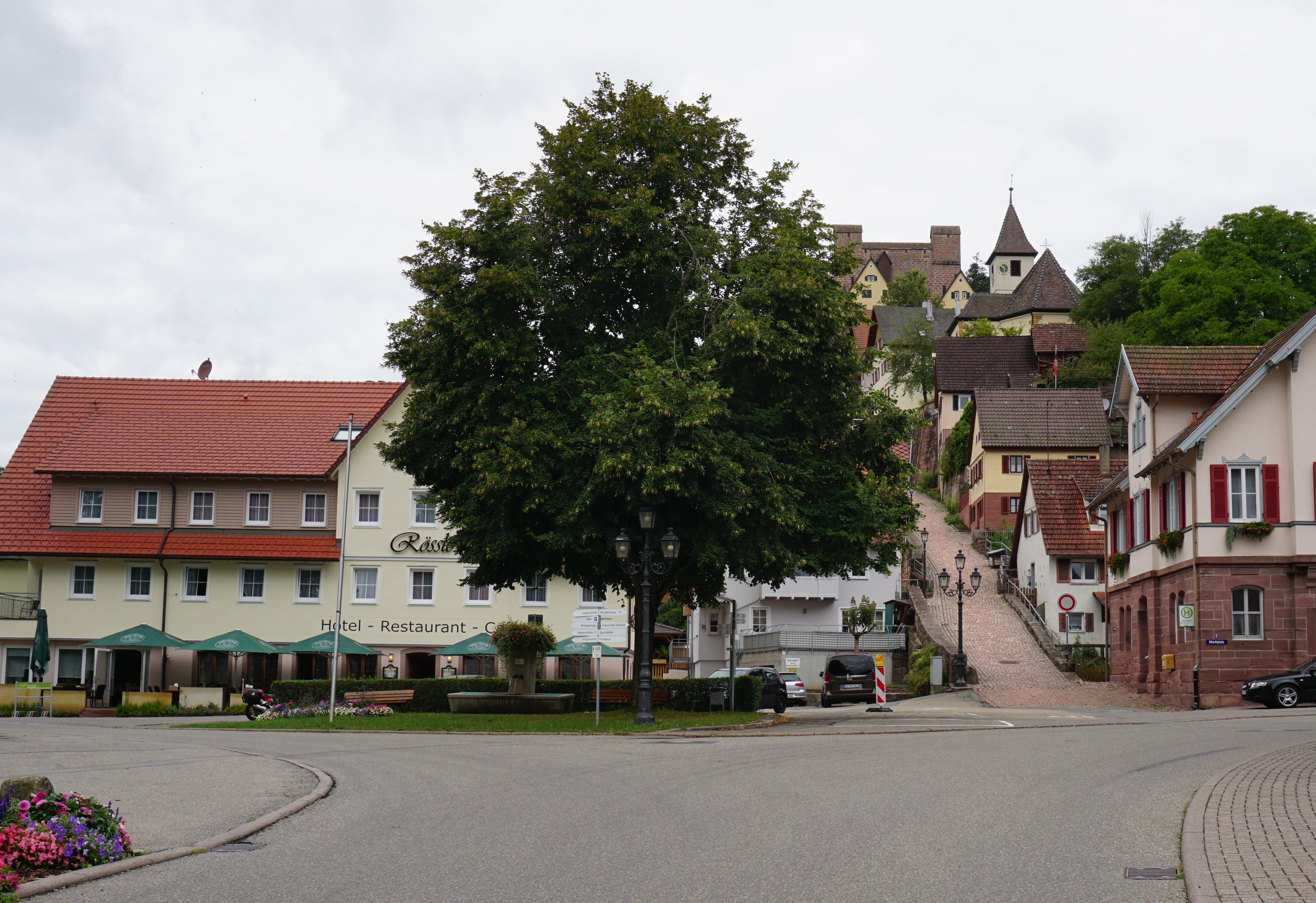 I thought about referring to this hotel in my previous post. The Hotel Rossle is in Altenstieg Berneck in the Black Forest corner of Germany. It’s been in the family for generations, although the “new hotel” – pretty much a modern copy of the old hotel – is just 8 years old. It sits below the centre of the old town which is perched on a rocky outcrop high above the hotel. The most special car here was a ’70’s vintage Alfa Romeo, and the rooms start around 70 Euro. You get no bonus points for figuring out where I would prefer to stay.
https://www.roessle-berneck.de/home/
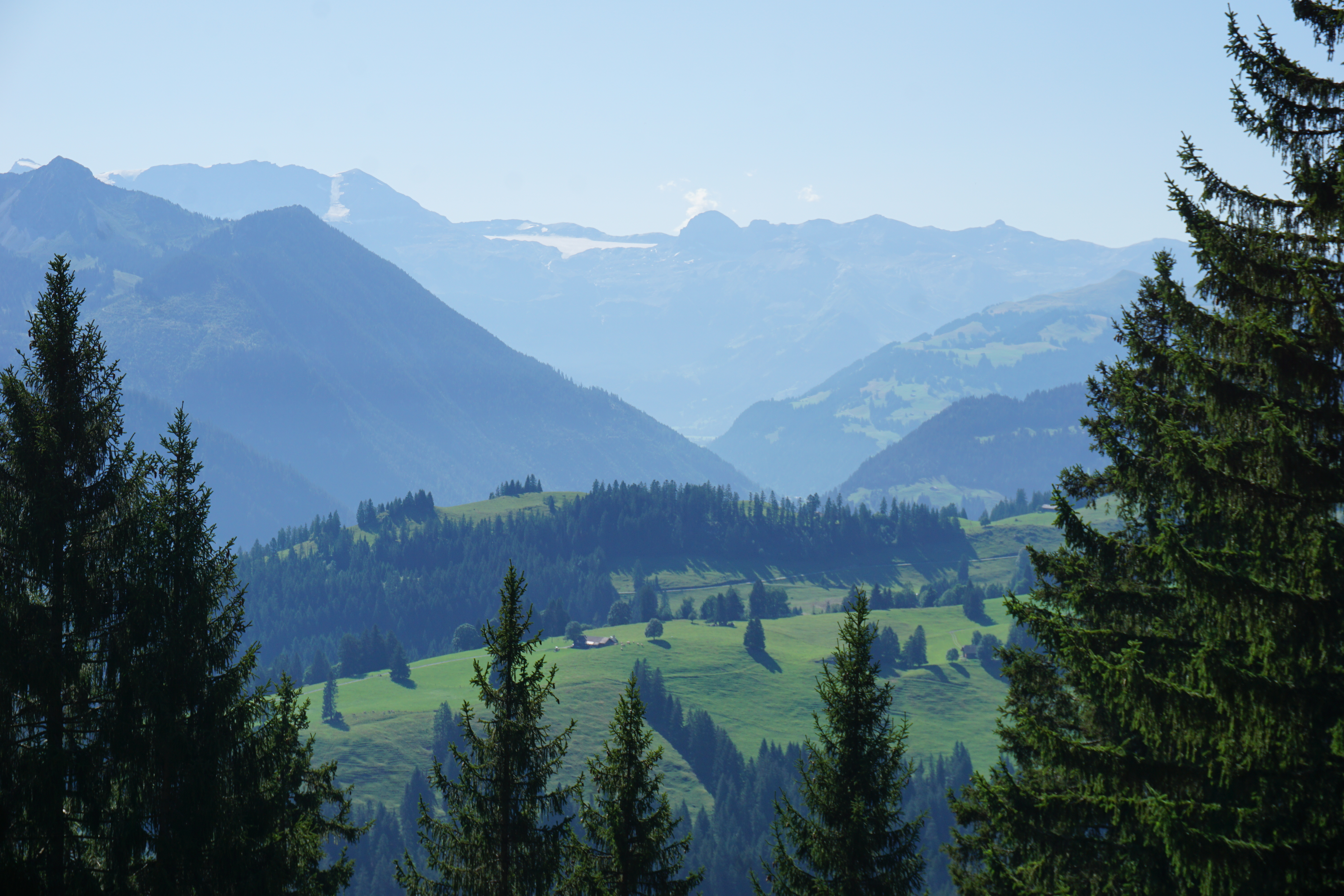 Coming to Andermatt from Lausanne, we passed through part of the Bernese Oberland and the lake district around Interlaken. Switzerland is a beautiful country, but these areas are particularly attractive because of their geography. Lying right along the northern edge of the Alps, the views over the countryside are incredible. As my cousin and travelling companion James said, it is as if someone gets out and grooms the entire country every morning.
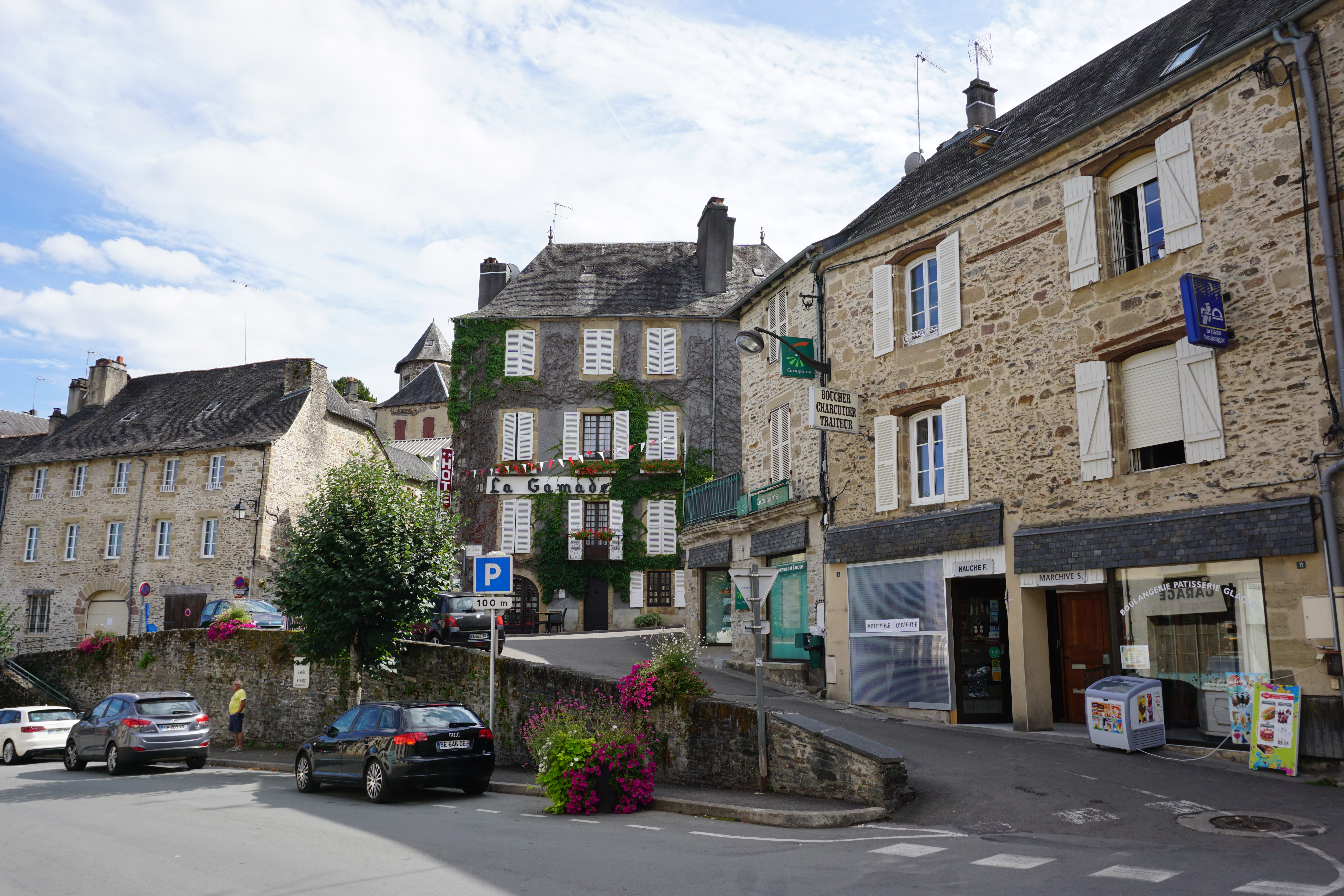
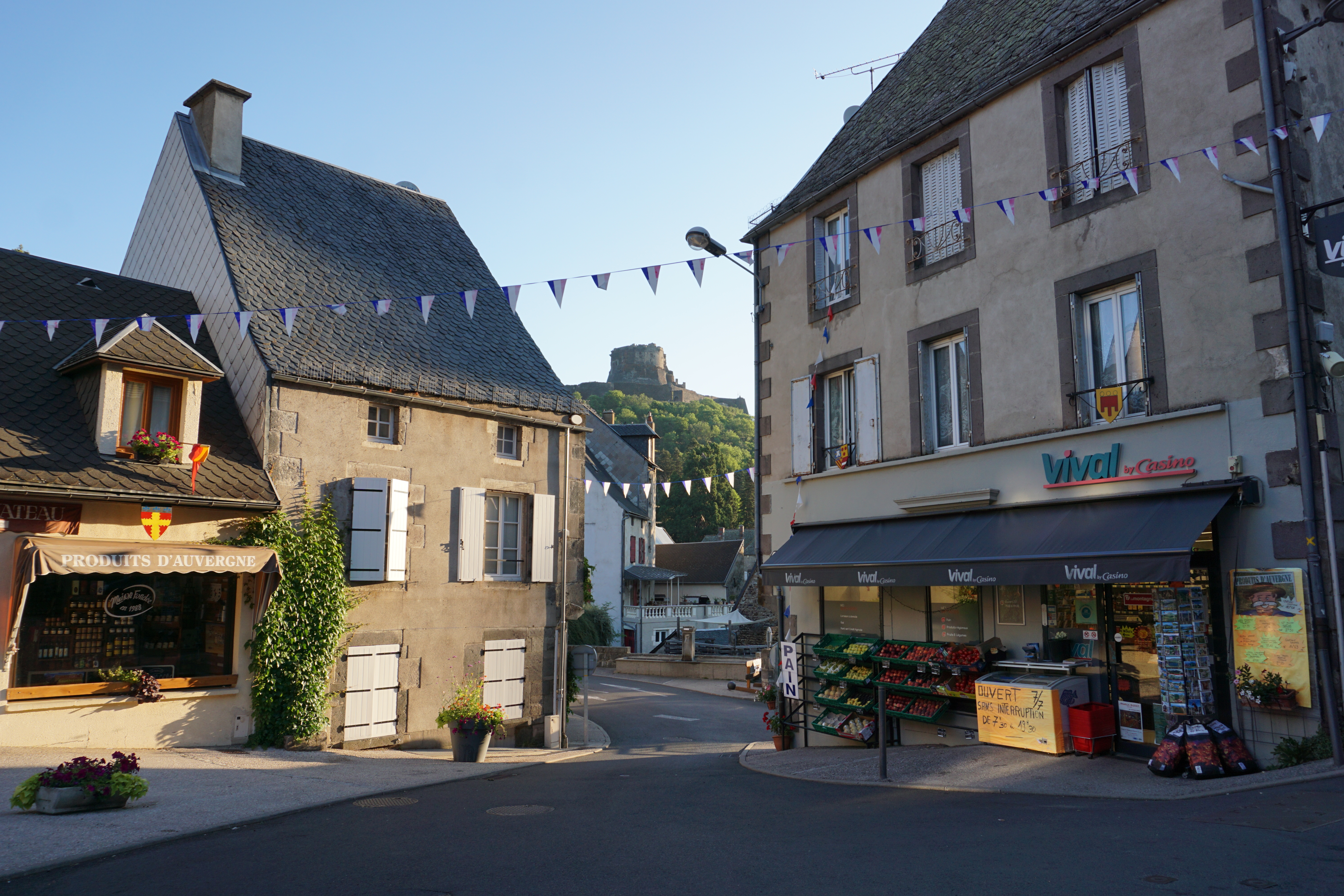
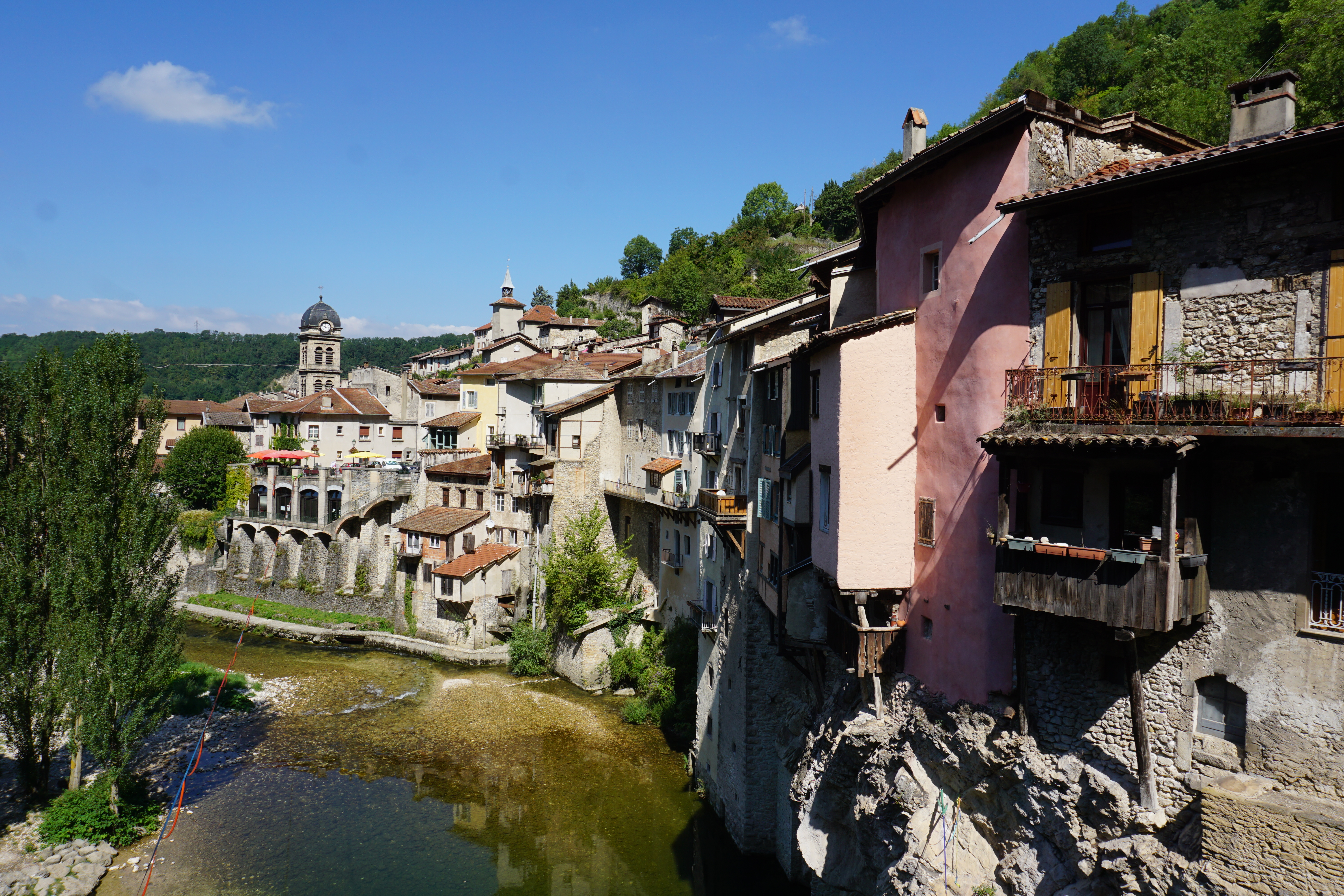 On the other hand, France is a very diverse country that can appear a little ragged in some corners. When I first visited in 1977, I found it quite unkempt and shoddy. It’s roads were in bad shape and it really seemed to be miles behind Switzerland in terms of the quality of its’ public spaces and infrastructure. All of that has changed. France is now a much more prosperous place, and provides a quality of life that I personally envy. Thankfully, it retains enough of its’ slightly rumpled past that its’ unique character isn’t lost, as seen here in Pont en Royans.
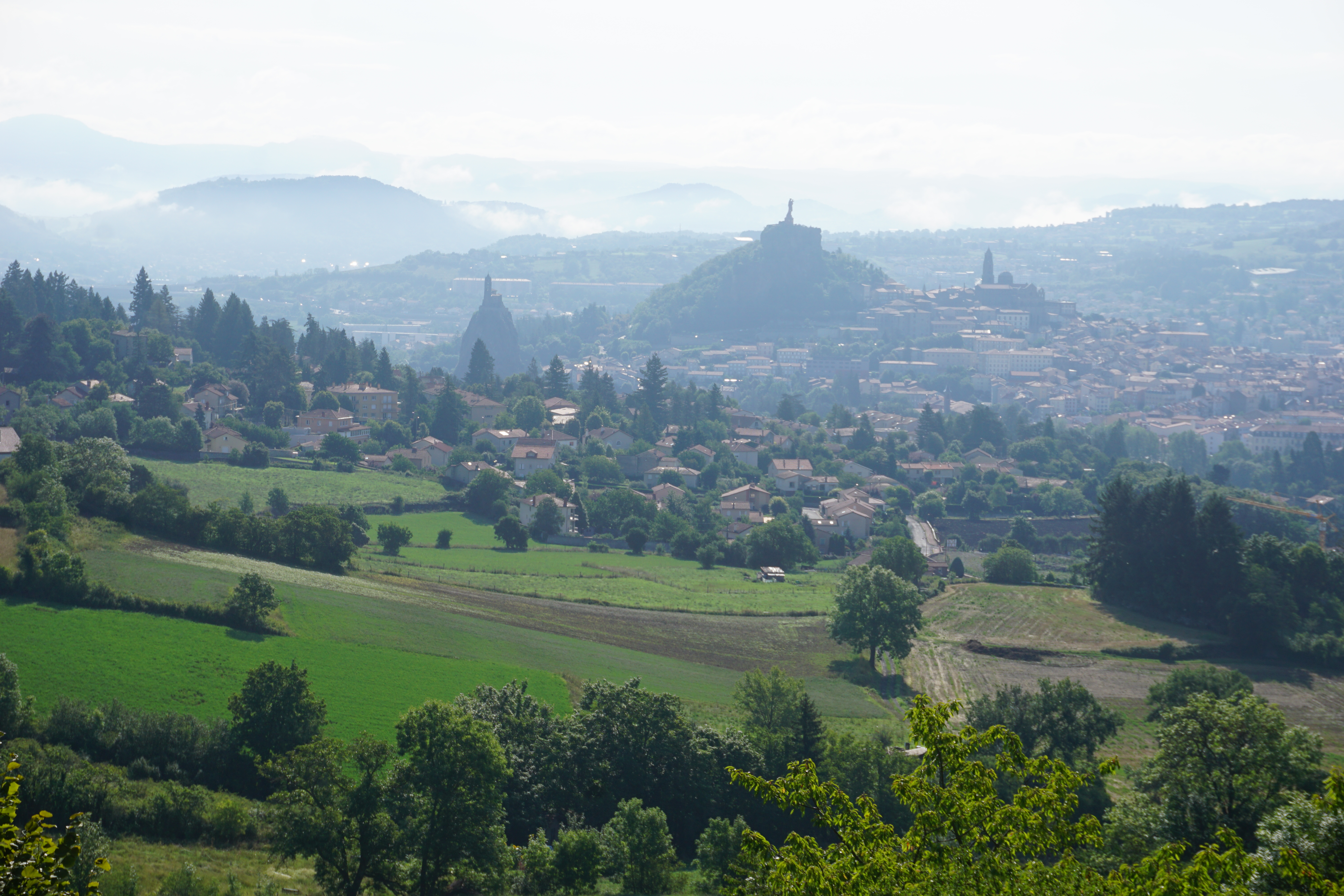
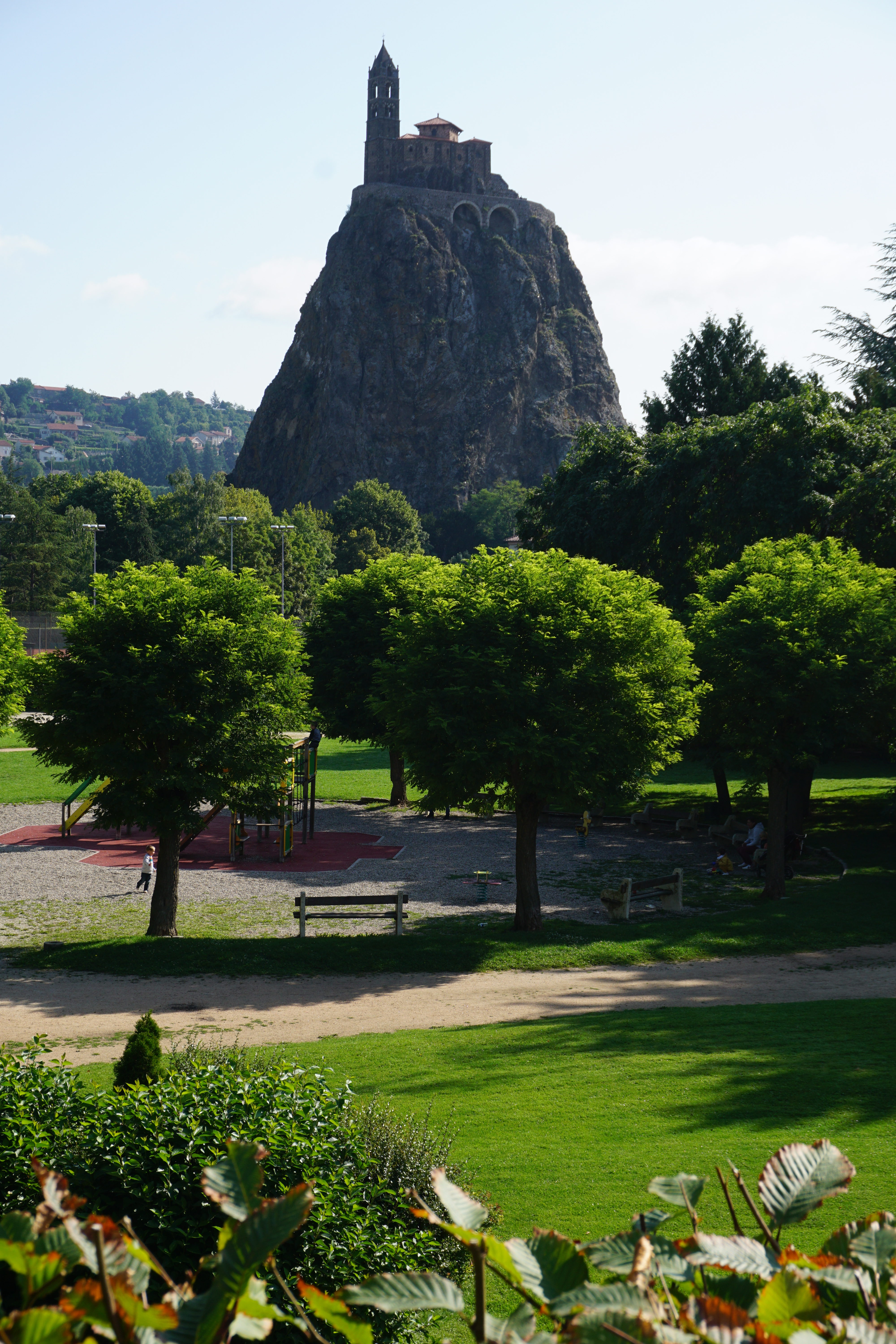 And finally, not far away, I found Puy en Velay. It is well known since its’ Romanesque cathedral – a UNESCO heritage site – is a major gathering point for pilgrims on the Santiago de Compostela. It is an impressive building in its’ own right, but the builders didn’t stop there: The church of St Michel de Aiguilhe (seen here) and the statue of Notre Dame de France, both of which are built atop the remains of dormant volcanoes, sit nearby. It is a remarkable sight that leaves me in awe of the extent to which we go to show our devotion to our particular gods.