Ronald Harry “Skip” Prokop

September 1: Although I never met him, Skip Prokop was a recurring presence in my life, surfacing at some significant moments, only to disappear and reappear after a while.

Prokop was a drummer and a founder of the Toronto rock band The Paupers. I first encountered them when I attended my “first concert” at the North Toronto Community Centre. It was probably 1966, and in the age of bell-bottom pants, I remember Prokop having to roll up his pant legs so that they wouldn’t get caught in the kick drum or high hat. It was a small room, and the volume must have been roughly equivalent to a 747 idling in a basement rec-room, but I remember the speed and flash of Prokop’s playing. In an age when the human metronomes of Ringo Starr and Charlie Watts were considered “great drummers”, Prokop was in a different league. Like others I have found subsequently (Neil Peart, Keith Moon, Steve Gadd, Buddy Rich to name a few), he brought texture and punctuation and rhythms not usually heard in a rock and roll format. To my then 16 year old self, he was the drummer I had always wanted to be, as I pounded away on the couch cushions with my Mother’s knitting needles.
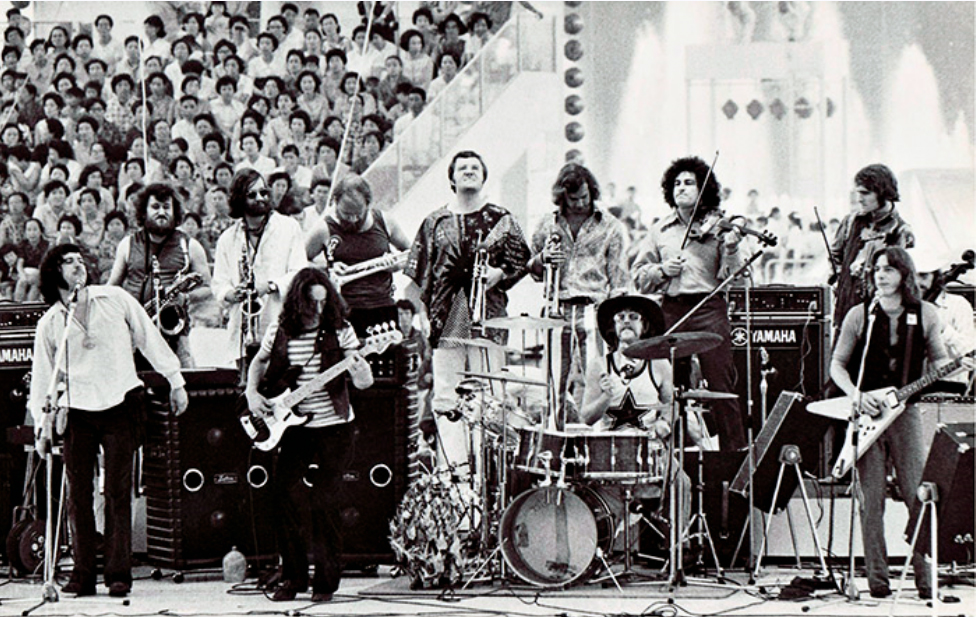
When The Paupers folded, Prokop did studio work with Al Kooper, Carlos Santana, Janis Joplin and others, before returning to Toronto and forming Lighthouse, a 13-piece band which included keyboards, drums, guitars and a brass line, along with an amplified string section. Early members included Howard Shore and Russ Little who have both gone on to be stars in their own right. I first saw Lighthouse in the early 70’s at the Electric Circus on Queen Street East. It was a big venue and it was packed that night. I remember it as a rabbit warren of halls and rooms and windows and doors looking onto the stage where they performed under the de rigeuer “psychedelic” light show. It all felt very subversive. There may have been some form of recreational narcotics involved…

I saw Lighthouse many times including a gig at Convocation Hall in Toronto, a club on the docks in Port Carling (the Surf Club ?) and a dance at Vic Park Secondary School. I loved their music since it was essentially an evolution of the big band music that my parents played at home. There was something very appealing about the big band format, playing loud enough to part your hair, while allowing for improvisation and solos from everyone. I loved watching Prokop’s energetic contributions. It’s a jazz format I still enjoy today.

Lighthouse re-emerged from time to time in different formats in subsequent years, and Prokop went on to do some work in radio. He died on August 30 of a heart condition. I will not remember that date the way I remember hearing that John Lennon had been shot. Still, it feels like the loss of a presence that played a role at significant moments in my life. I’ll miss that.

https://beta.theglobeandmail.com/arts/music/lighthouse-co-founder-skip-prokop-made-rock-history/article36218827
In Summary

August 24: I’ve been home for a week now, and the introverted, contemplative, analytical person that I am has done some calculating and assessing. Herewith, some conclusions:

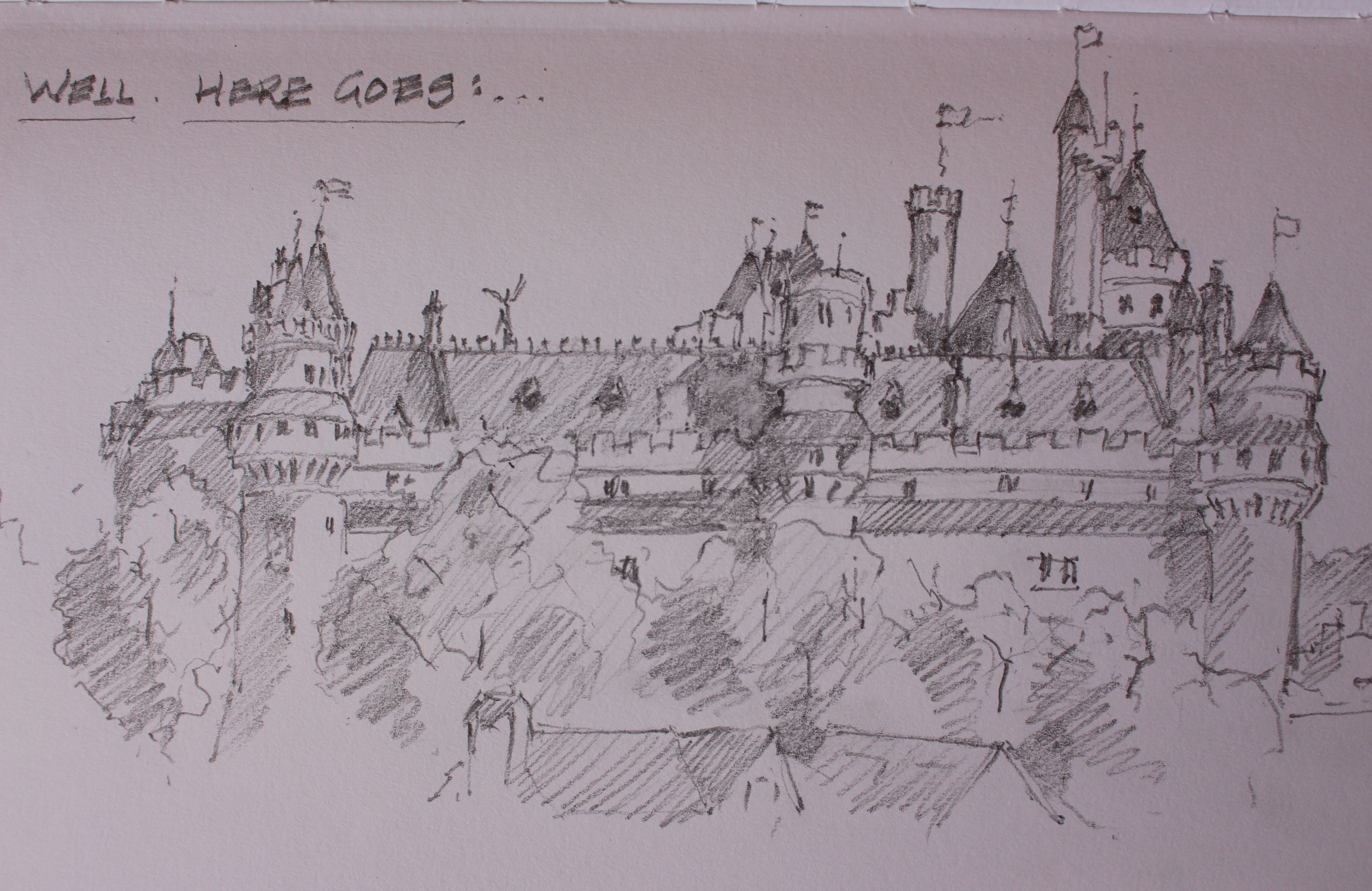
The trip lasted 60 days (June15 to August 15), excluding August 15 which I spent getting home. I include June 16, the day of arrival, as a full day because I did travel to the first hotel, and spend time in the afternoon doing various things to try and stay awake, including this sketch. I had 52 days with the bike, and I actually rode 42 days. Total mileage on the bike was 7,600 km or roughly 180 km per day. Of those days, I only had 3 days of real rain and unfortunately, one was the last day back to Heidelberg. It rained all day in 12C temperatures, so not a really pleasant way to end that part of the trip.

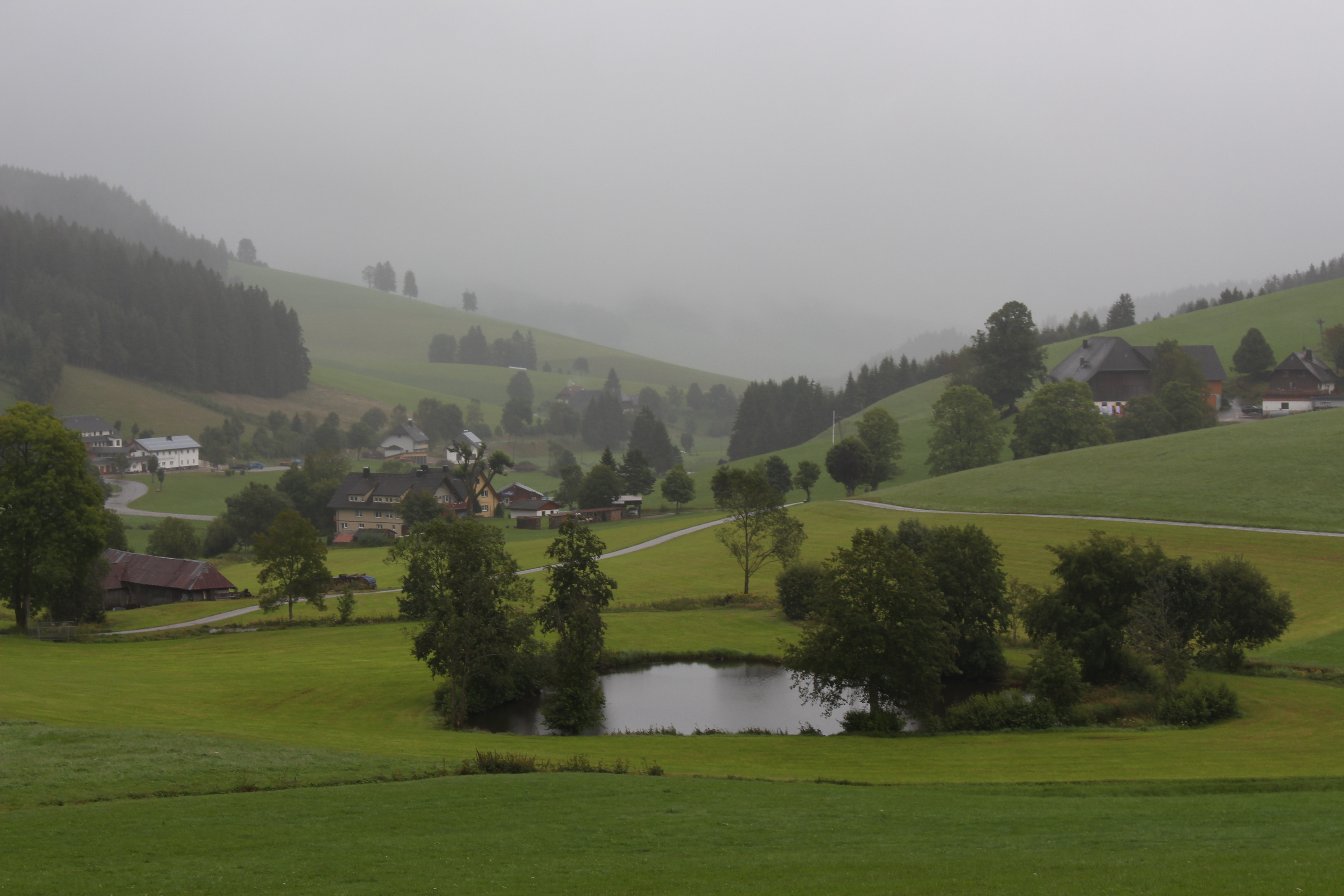
Waldau

Total cost for everything was roughly $17,500 (excluding the motorcycle). This includes airfare ($610), shipping the bike ($1400), travel connections like renting the car and taking the train four times, renting the house in Sablet ($900), all fuel, food and accommodation. This works out to be roughly $290 a day all in. Some things are obviously more expensive – gas was roughly 1.45 Euro a litre, and I probably bought a tank of fuel every other day – while others are comparable with Toronto prices. I found Switzerland most expensive, but not by a wide margin over Germany. Food and fuel were most expensive, but that might be a reflection of staying in a bigger city like Lausanne with a preponderance of Swiss bankers.

In the end though, the cost is almost irrelevant; if you want to do certain things, you have to pay for the privilege. I will still look for better value in things like hotel prices (since I see them as essentially places to sleep and little else), but I’m more ready now to spend a bit more for a good meal, another glass of really good wine, or the efficiency of a taxi rather than walking. As I have said before: “Why not…?”

I actually found the eight week duration of the trip to be too long. The fairly constant moving, packing and being alone took a toll. As well, I realized early in the trip that my efforts to write in my journal every day; to sketch as often as I could; to run every other day (I managed to run 24 times); to update this page frequently; and, to deal with daily e-mail and messages from home was too much to expect, and I often took a day off from all of that. At times I felt that taking a day to rest in a hotel with the bike parked was “wasting time”, but of course it was a perfectly appropriate response and a way of preserving my focus and sanity.

Col de Forclaz

I went where I had planned and saw most of the things I hoped to see. There were some rough patches – particularly at the early stages of the trip – but no disasters so I am happy about that. Highlights would include a seven-course gourmet meal in Waldau, Germany; celebrating my birthday in Lausanne; sitting on the patio of my room in Talloires with a glass of rose; the wine bar in Tain l’Hermitage; the Corniche des Cevennes at St Jean du Gard; and, the view off the top of the Col. Any Col.

Until next year, then.

Paris. Or Brampton …

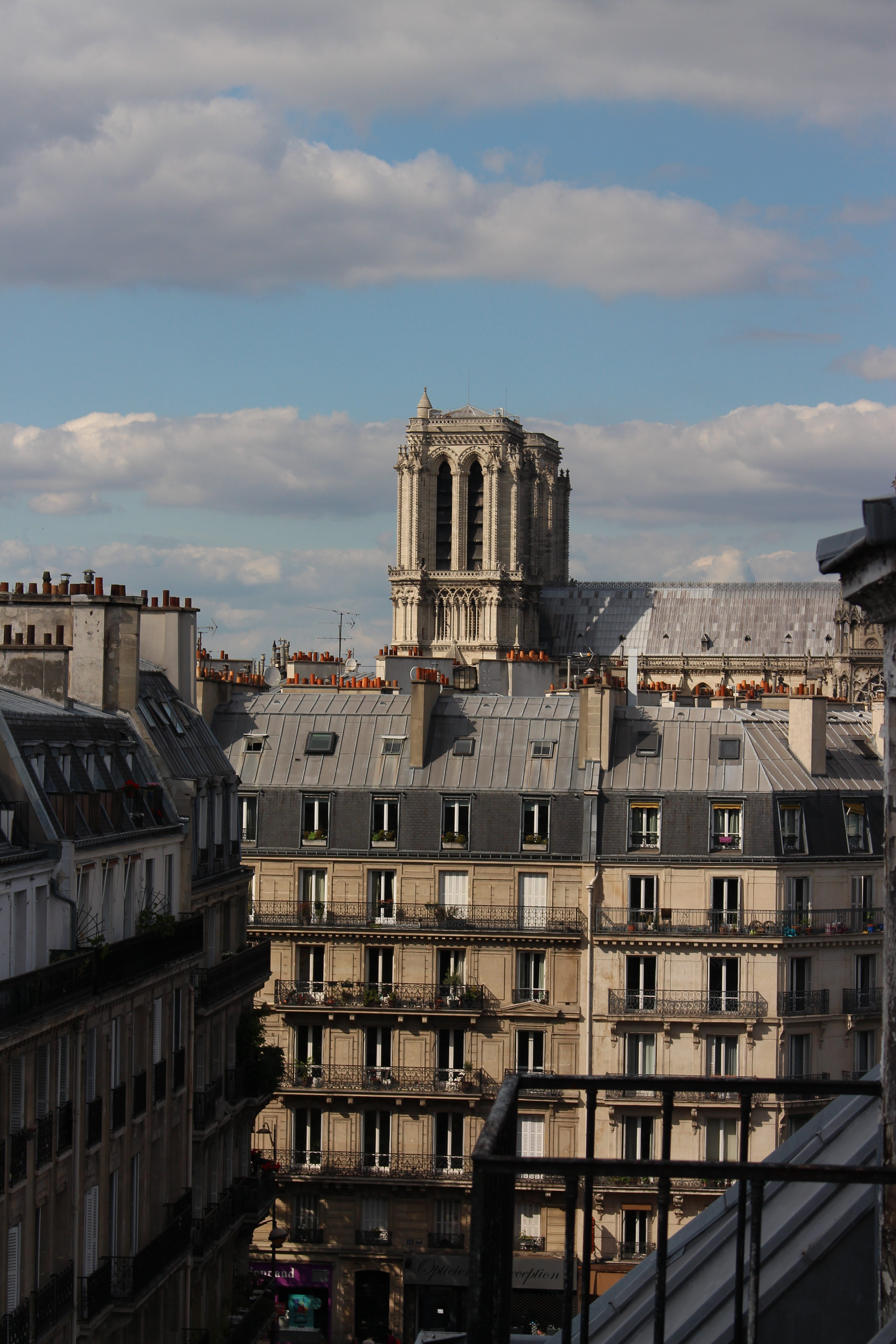
August 14: As I near the end of this little adventure, I find myself once more in Paris. I do love this place and chose to begin and end the trip here. So far, it has been wonderful: I was fortunate enough to be given a room upgrade that means I can see (the towers of) Notre Dame, and (parts of) Sacre Coeur, la Tour Eiffel and Pantheon from the small balcon outside the window.

That said, I find it a bit of an odd situation. I am a visitor to the city; that much is pretty obvious. But I’m here to visit France, and to try and learn something new about the country and its’ people. I do speak some (lousy) French, and try to deal with people in that language if I can. Yet, whenever I approach a restaurant or store counter the staff usually start out speaking English. Most menus are translated into English, and often other languages, and the food on offer is largely the same generic boeuf bourguignon, soupe a l’oignon, and salads. Many now offer Fish and Chips. So it feels very much like the French are trying hard to water down their identity, to find favour with tourists.

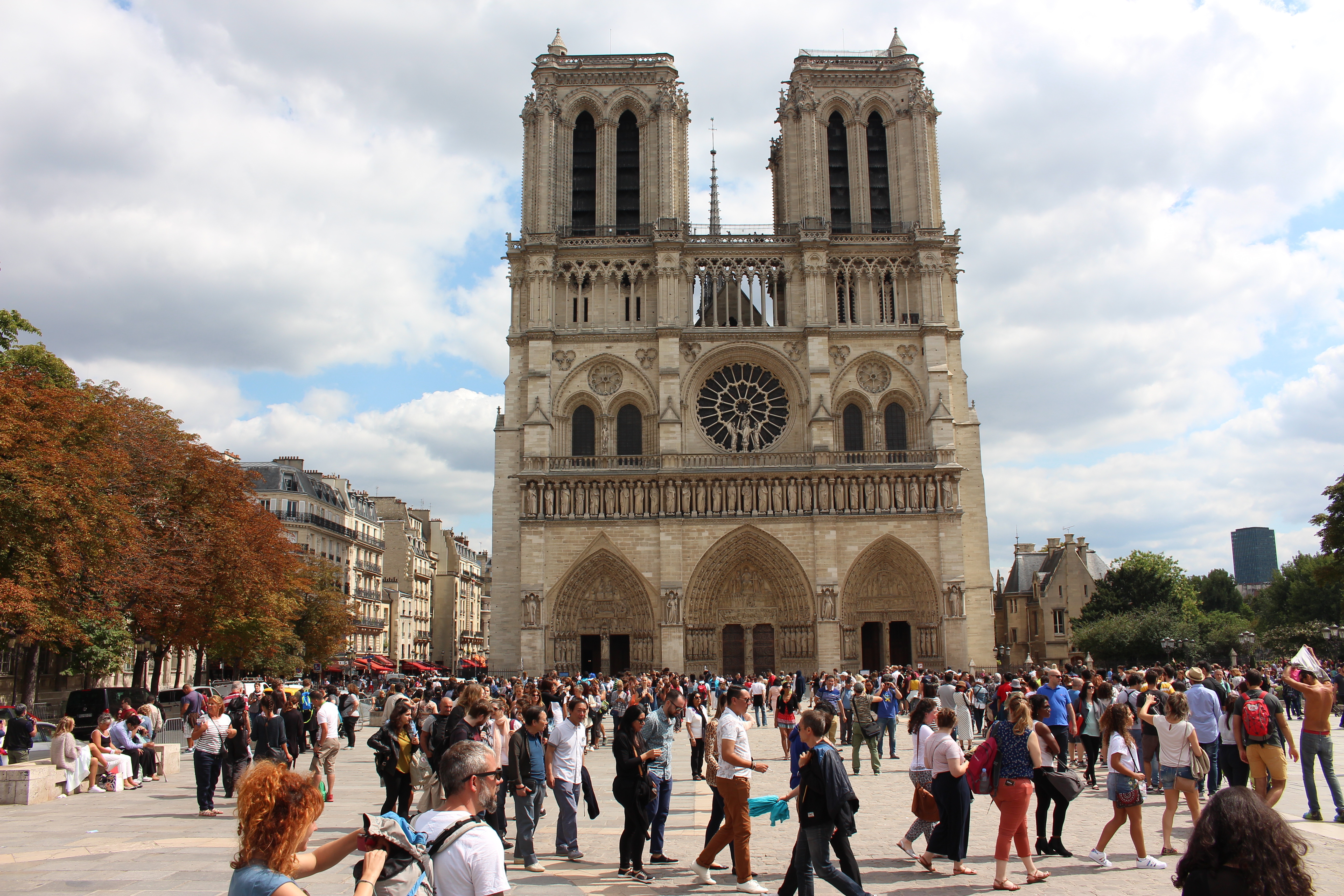
The hordes of people around Notre Dame testify to the power of tourism to France and the money it generates. France is the most visited country in the world, so it’s meaningful. It became meaningful because it was a distinct culture, yet France, and other European countries, seem caught up in the race to “sameness”. My friend McCart and I were in Brampton when he made a very astute comment: “Look at this street. We could be anywhere…” He was pointing out that the whole streetscape was chain stores that were identical to the same stores in other cities. The banks, the gas stations, the Swiss Chalet, the Starbucks are the same whether they are in Toronto or Ottawa – or Paris. I passed two Starbucks on my run this morning. And there is a Subway directly opposite Notre Dame.

Granted, Paris is among the most-visited cities in the world, and this particular quartier is likely ground zero for those who visit, so it is not entirely representative of the entire country. Still, it’s a bit disappointing that I’m offered something I can get at home – whether in food or language – rather than the andouillette I had to hunt down at dinner last night. Strong, pungent, and worth every bite….

History in the Making

August 6: I have had the good fortune to see many cathedrals, forts, castles and chateaux on my visits to Europe. Many times, these are the most memorable highlights of the trip. It’s almost mandatory to visit a new city and visit the cathedral. Visit Paris, see Notre Dame.

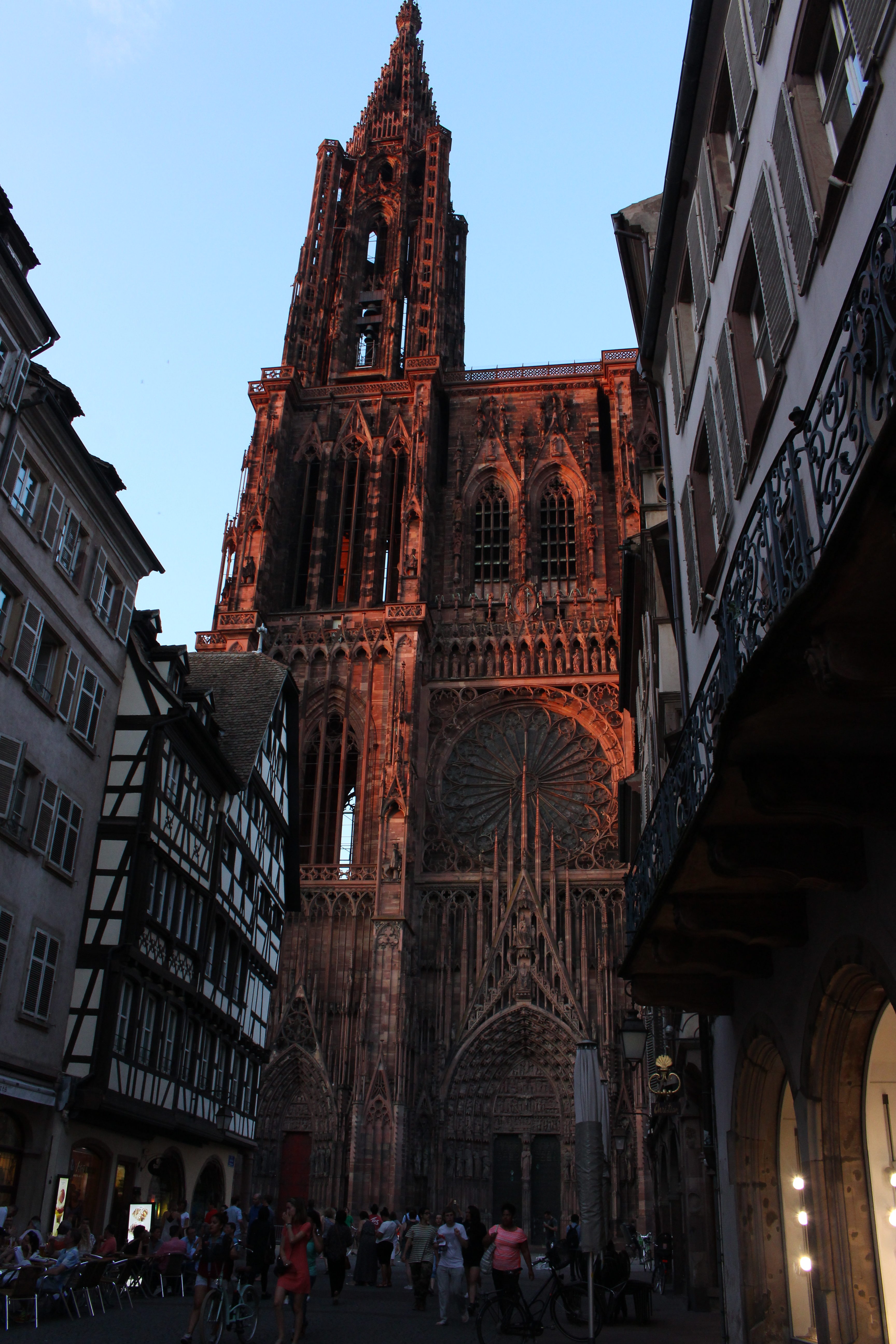
So this is Notre Dame de Strasbourg. Some would say it is among the finest examples of high Gothic design, and I spent a very long time, along with dozens of others, admiring its’ beauty. I’ve seen a good number of cathedrals over the years, but this one is truly remarkable. The reddish stone is distinctive, but what really stood out for me was the feeling of “lightness” the façades convey. The columns and statues create a sense of openness and delicacy that make the whole building seem less ponderous than most of the other cathedrals I’ve seen. The astounding thing for me is that each of those statues and columns is solid stone and a product of human hands, a hammer, and a chisel. No wonder it took more than 400 hundred years to build.

Provence Tourism

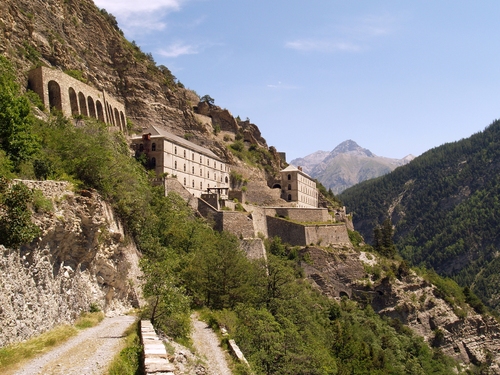
This is Le Fort de Tournoux which I discovered just east of Barcelonnette. It’s absolutely unexpected and spectacular. Constructed over a 40-year period and completed in 1863, it was built in 4 stages which rise 700 metres up a rocky spur in the L’Ubaye valley. It was intended to guard against the incursions of those sneaky Italians from the south through the Col de Larche and the Col de Vars. It last saw action during the Second World War, was occupied by the German army during 1944, and was recaptured by the French in 1945. It was decommissioned in 1948.

These are both magnificent buildings in their own way. Both represent the culmination of decades of planning and work to achieve a specific purpose. Notre Dame is awe-inspiring because, in its’ day, it was intended to remind peasants of the power and authority of the church over their lives. The Fort was built at a time of increasing paranoia over military invasion by men on horse-back. In spite of the significance for those who built them, the context changed and even though they are both spectacular and worth visiting in their own right, they are now little more than artifacts from a time long past.

http://www.ubaye.com/le-fort-de-tournoux.html

Squiggly Ones

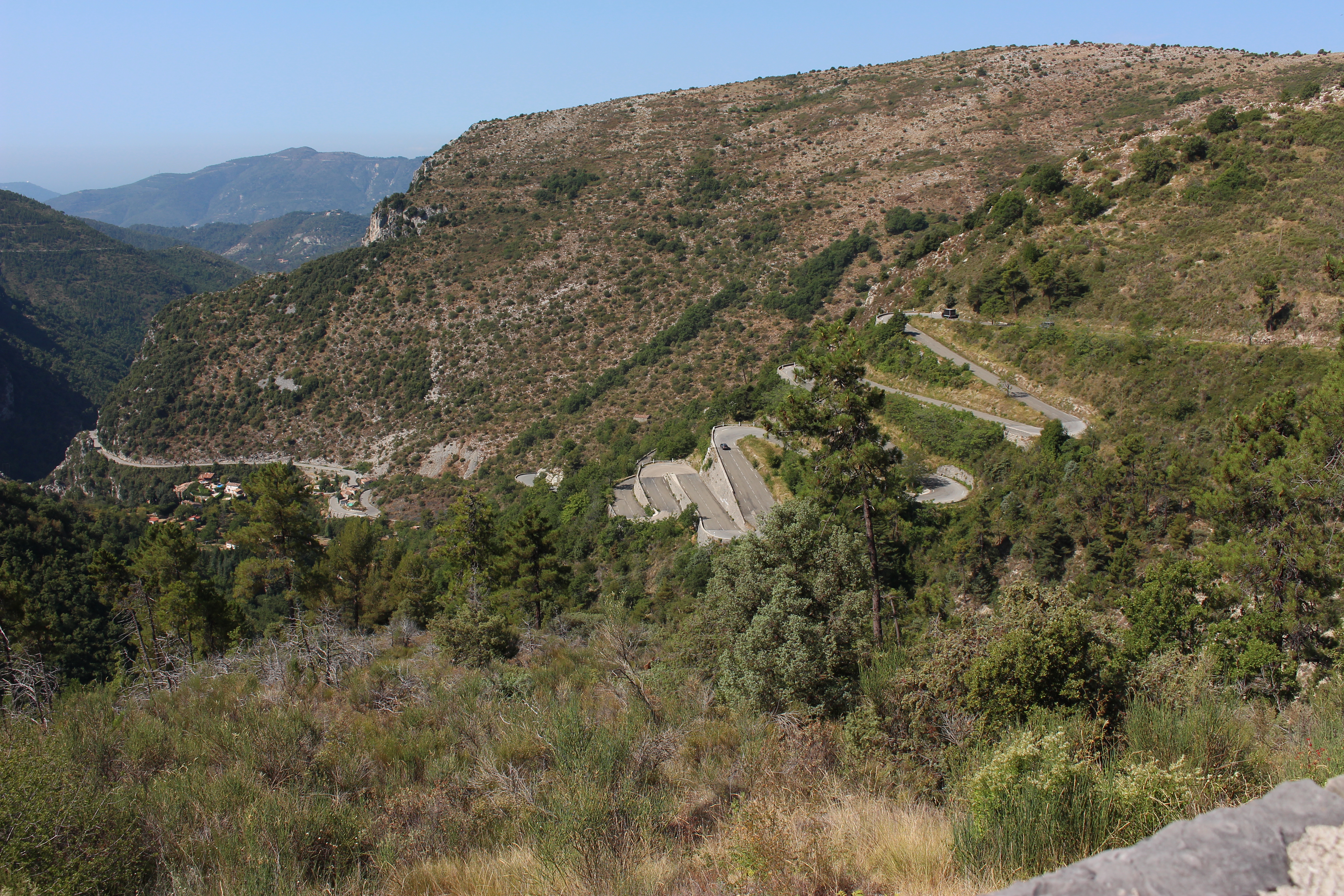
August 2: When planning my route, I am inevitably drawn to the yellow squiggly lines on the Michelin maps I use. They denote local roads, which I always imagine to be flowing, well-engineered and recently paved. Some turn out well, like this one on Col de Braus north of Nice. Others turn out to be narrow, gravel-strewn donkey tracks that leave me muttering into my helmet about my sanity for having chosen so poorly. Picture a poorly maintained road in the Kawarthas with a 100 metre drop-off on one side and no guide rail…

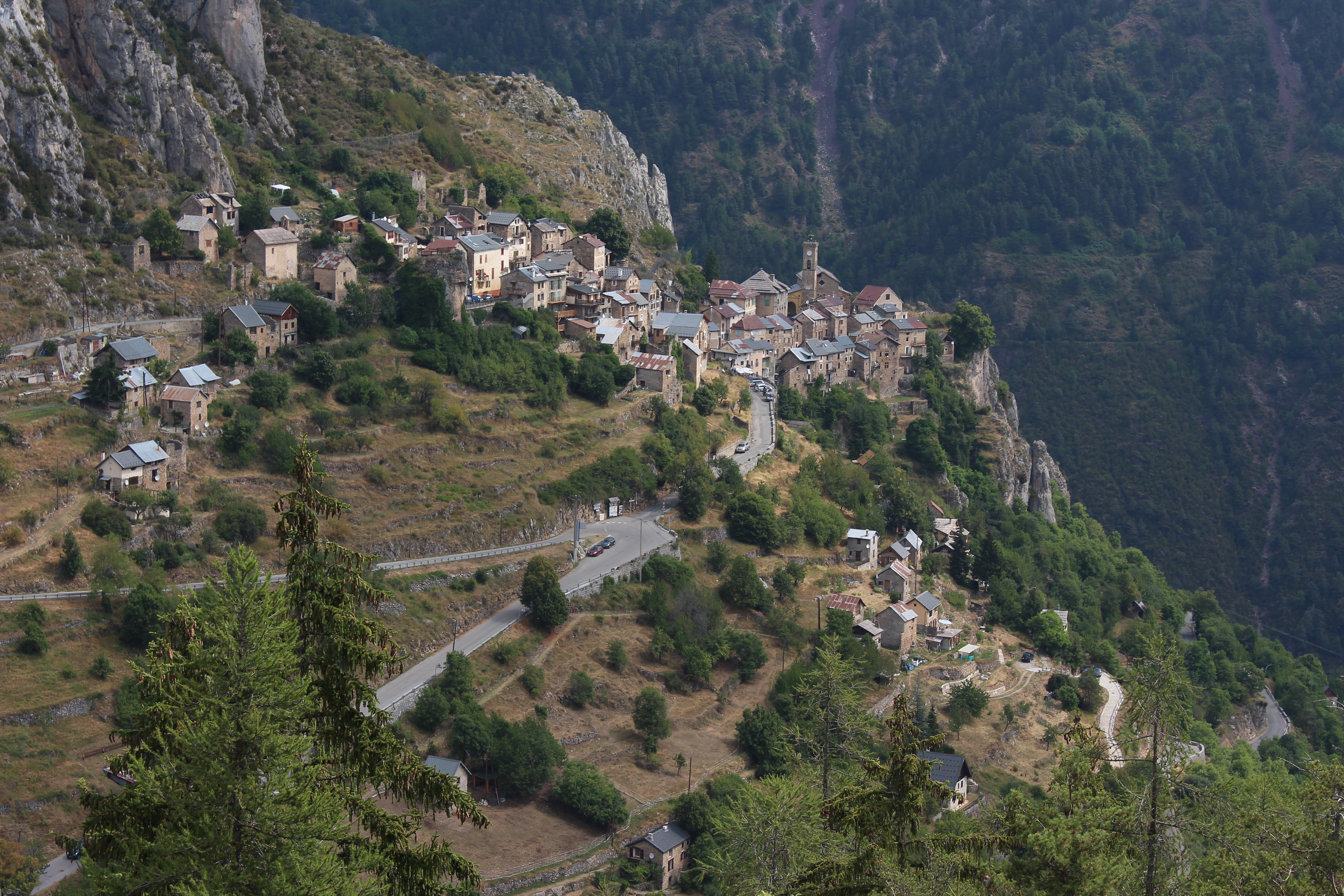
The thing is, so many of those roads lead to places like Roubion, seen here perched above the Vionene River. Towns of this period were built to be inaccessible to a certain extent; people needed to defend themselves from attack. And the roads likely developed from the paths that meandered between towns. So accepting the challenge of riding less-than-comfortable routes has the reward of visiting someplace special.

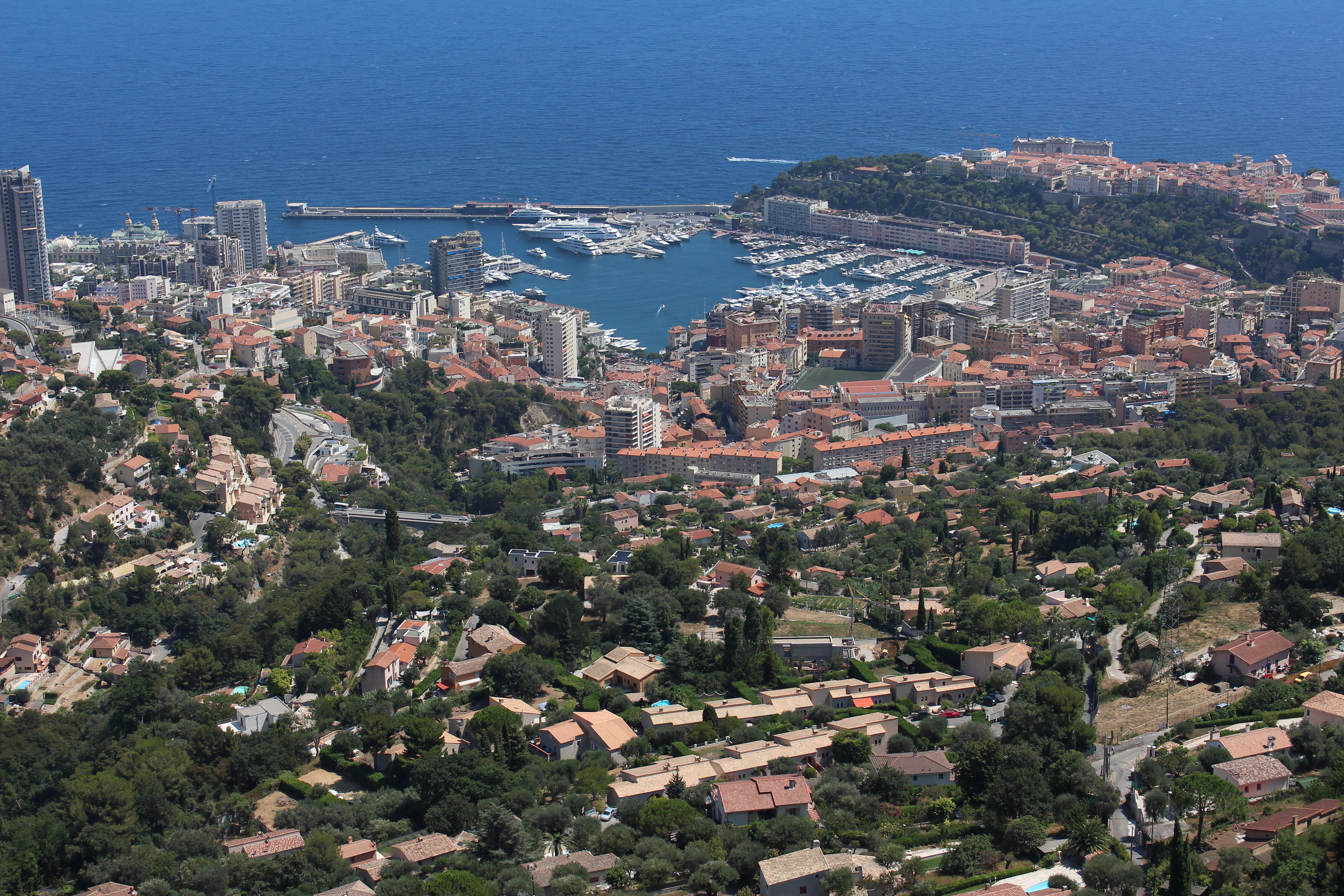
Seeking to avoid a torturous ride through Nice yesterday afternoon, I happened upon a yellow squiggly one that ran through the hills north of the Riviera. Some of these can be very rewarding, if for no other reason than you are not stuck in downtown Nice in 34C heat wearing full riding gear. This particular road had the added reward of leading to La Turbie, where you are rewarded with this special view of Monte Carlo.

Today I start moving north into the Alps. Most of the roads there are yellow squiggly ones and I know from experience that they are challenging. My reward will be the satisfaction of  motorcycling through them. And some truly special scenery.

Windy

July 26: My cousin James and I would stand on the dock at our cottage assessing whether the wind was strong enough to be boardsailing. We were adept enough that without a strong wind, it just wasn’t challenging enough to justify rigging up and going out; we needed sustained whitecaps. And so, this morning, I found myself considering a trip over Mt. Ventoux, a very well-known stage of the Tour de France and the tallest mountain in this vicinity.

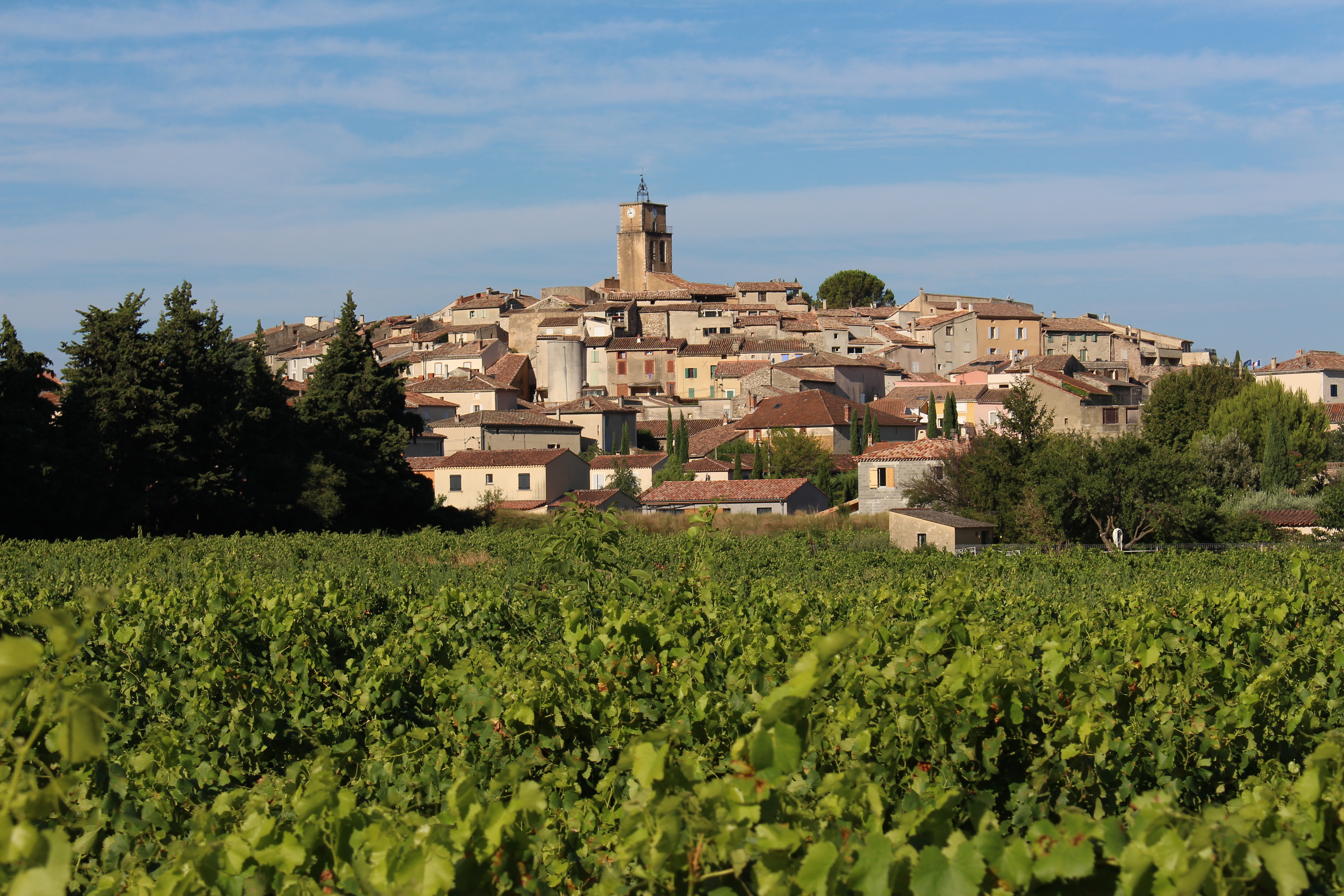
The issue is that the mistral has been blowing for the last 3 days. I would guess that the average speed is 35 to 40 km/hr and the gusts more like 60 km/hr. Being on the north side of the village, my little apartment (toward the right edge of the village in this picture) has been taking its’ full force. Cracks around the front door have been howling, and it’s impossible to open any of the windows for fear of them smashing against the wall. I’m told that the belfry of the church is made of wrought iron so it is easier for the wind to pass through, although that may be a story for gullible tourists…

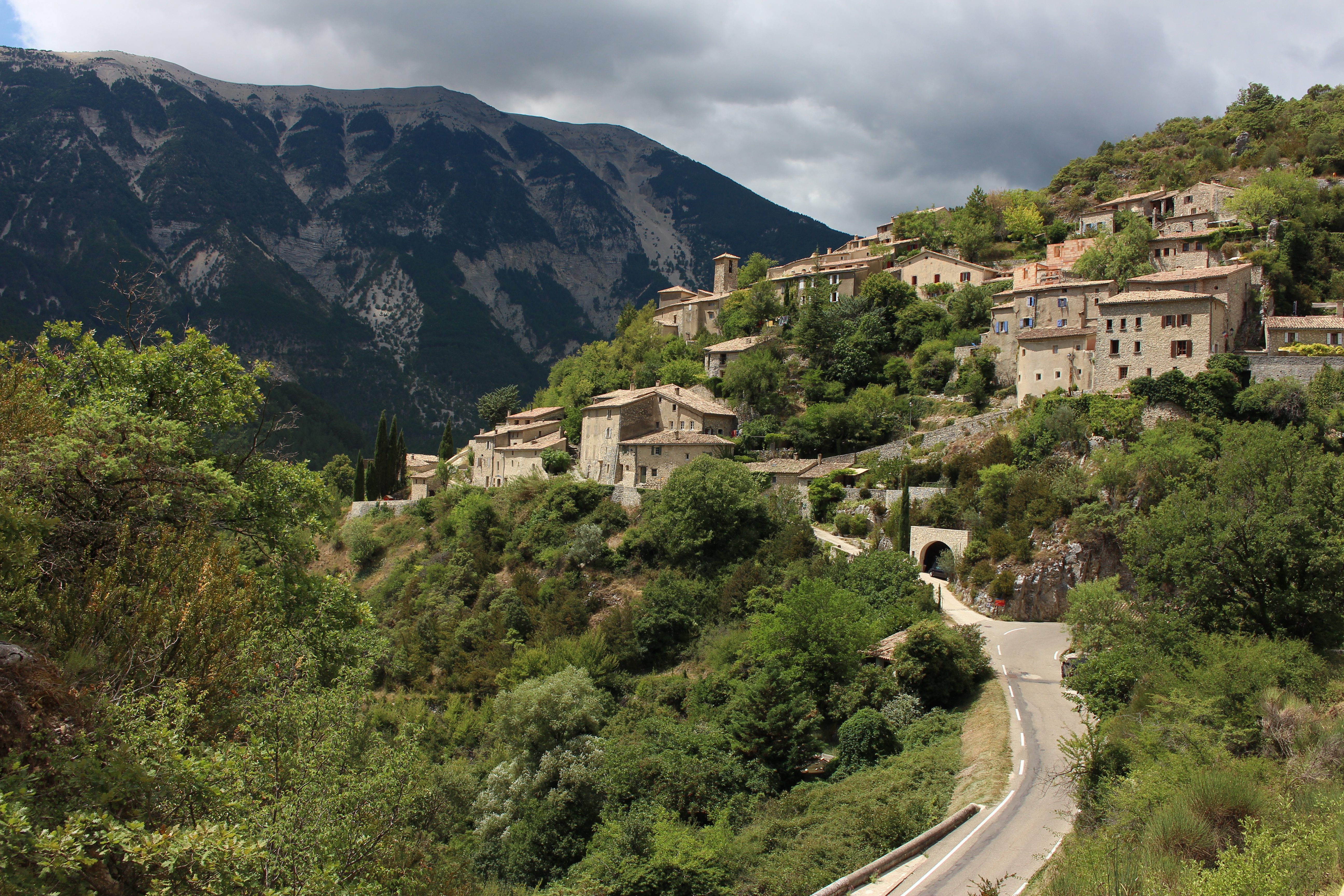
The top of Ventoux is open and exposed. There’s nowhere to hide and the prospect of being on a motorcycle in a 60 km/hr cross-wind less than thrilling. So I elected a trip to the north of the mountain, through the Ouveze and Toulourenc river valleys. It’s wonderfully scenic country, with many towns suspended in unlikely places. (This picture is of Brantes, with Mt. Ventoux in the background.)

Since I still have 3 days remaining, I will continue to figuratively stand on the end of the dock and consider my options while watching the whitecaps in my wine. For now though, it’s just too windy.

Sablet

July 23: After 5 weeks, and roughly 5,300 km, I’ve arrived at my little cottage in Sablet. This is a milestone that a small yet persistent voice said I would never reach – that some disaster would befall me, and the reservation would all be for naught. And early on there was a series of disappointing problems that were easily overcome as part of the adventure of travelling. So it was with a small amount of celebratory expectation that I unpacked last night.

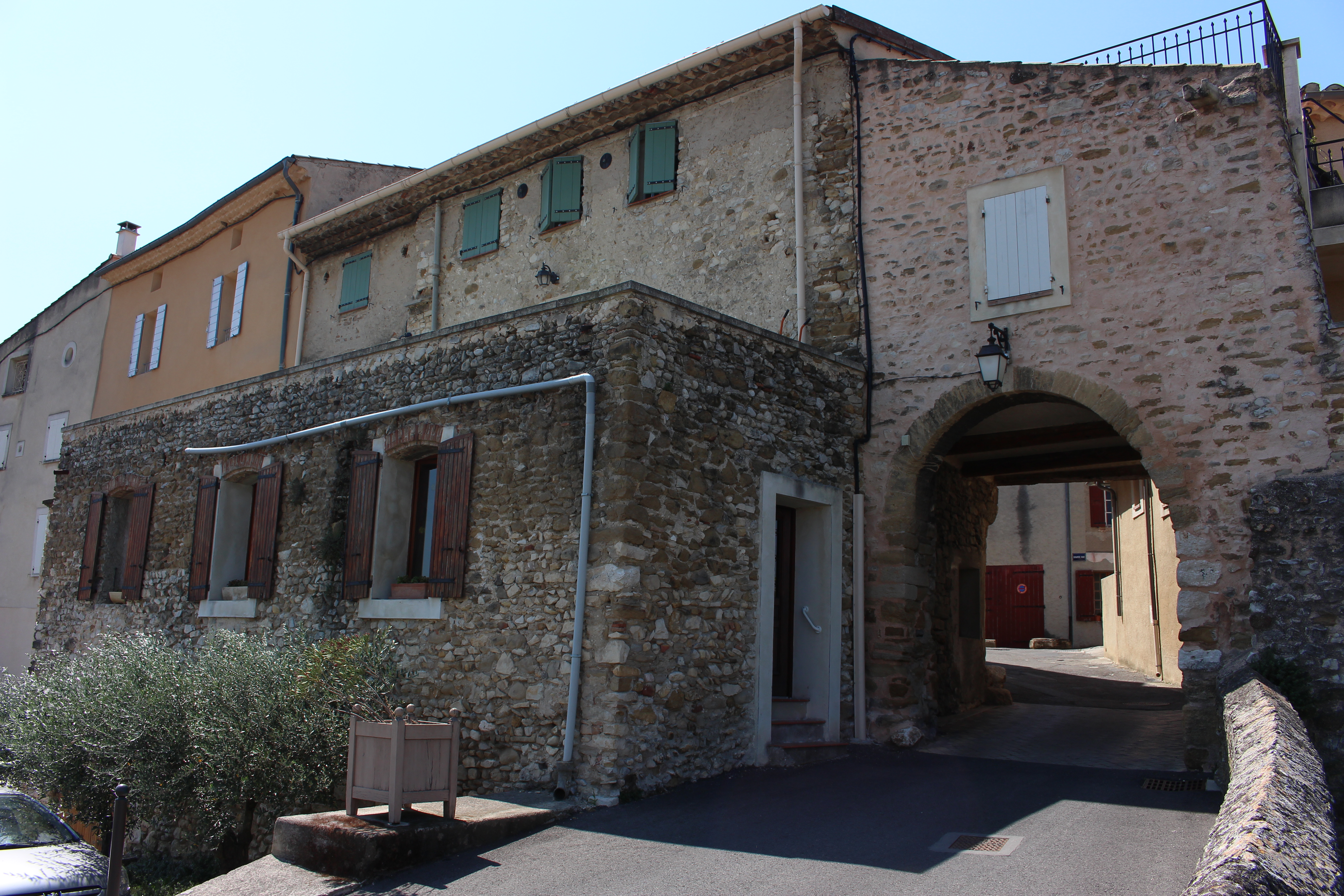
The house is literally at the gate to the medieval quarter. The owners, a couple from England, live upstairs. Although I’ve spent little time with them, they seem friendly an generous, and they both ride motorcycles, so we have some interests in common.

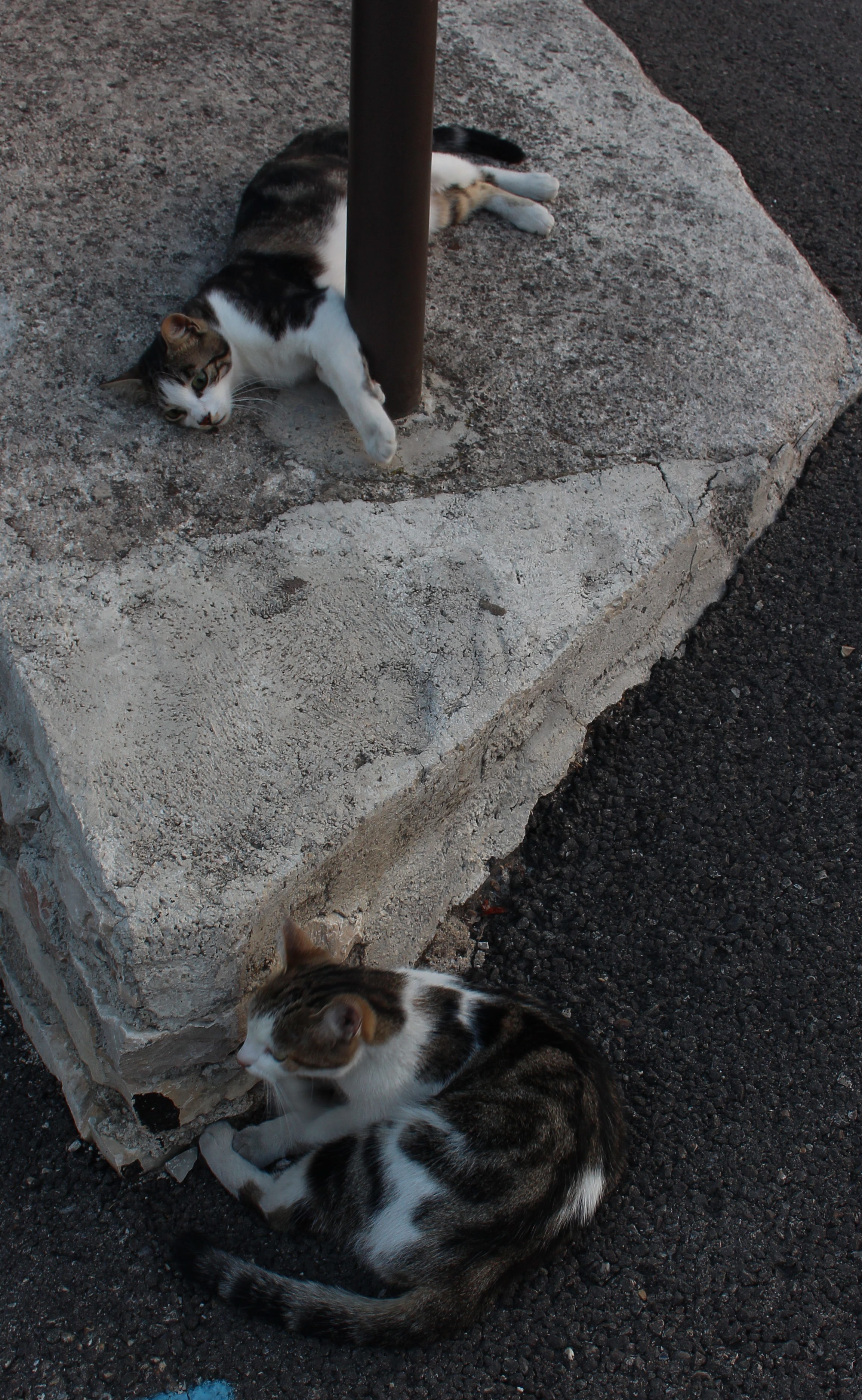
After settling in for a bit, I headed down the street for dinner. Along the way I made a couple of new friends who greeted me this morning as well. They too seem friendly and generous, although there is  language barrier that I fear is unsurmountable. Dinner was good – a huge salad and some rose – but if there is a drawback that is becoming evident, it is that this is such a small town that there are only 2 restaurants, 1 grocery store, and 1 butcher. Choice is scarce and I don’t really want to be going from town to town on the bike. Of course, on the positive side, there are about 10 wineries right in town…..

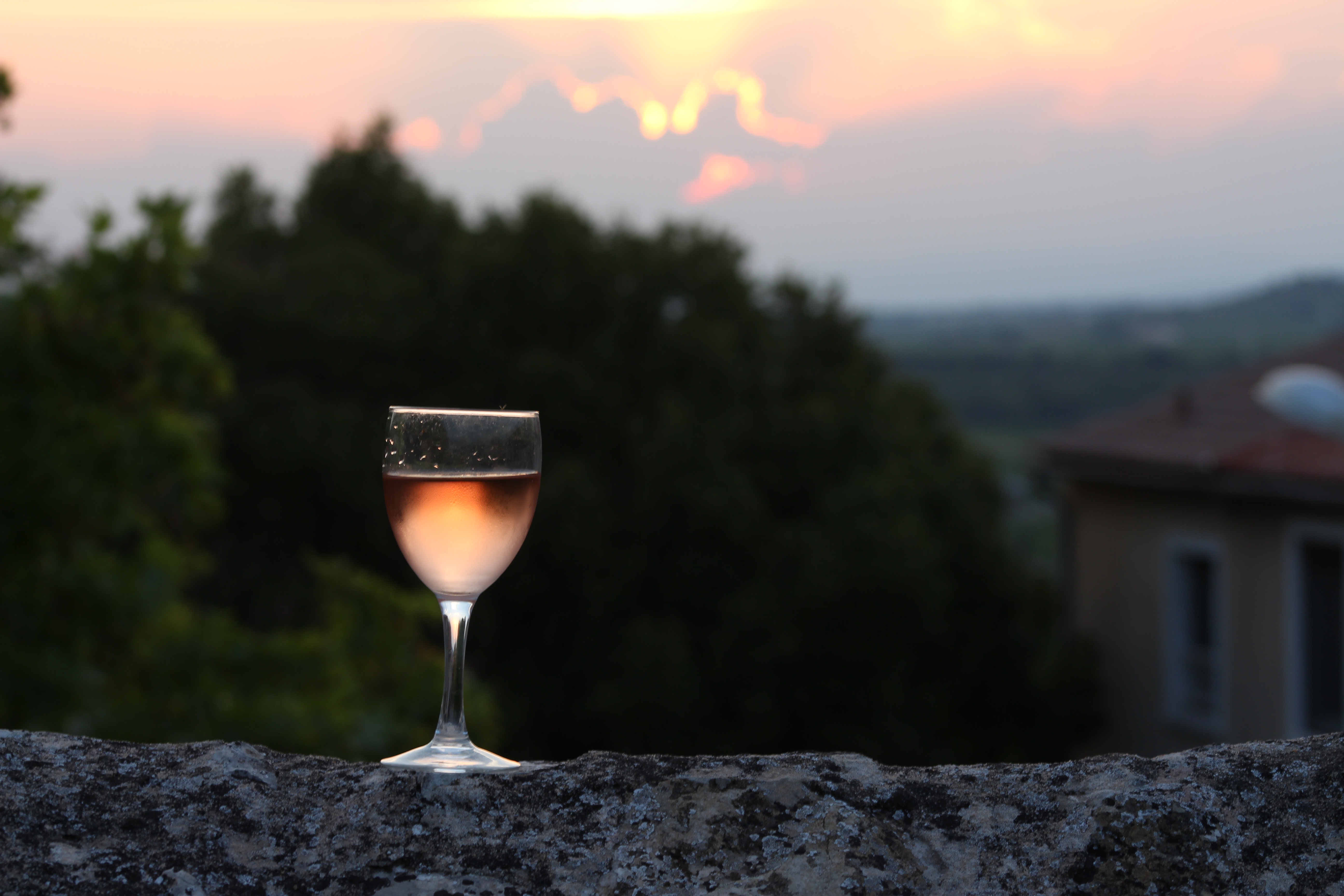
After dinner I came home for a glass of rose. I drank that on the doorstep, since there is really no outdoor space with the unit. Being a hill town, Sablet has the advantage of looking down on its’ surroundings and out across the vineyards, and I spent more than an hour watching a thunderstorm roll across the Rhone valley. It was fascinating watching the lightning shooting between the clouds and occasionally striking the ground from a perspective I seldom have.

And later, a phalanx of little brown bats came out for their evening meal. They seemed to be particularly attracted to the arch outside the doorstep, so I suspect this may be a nightly performance. Such a memorable and enchanting way to start my visit here and perhaps to build a reserve of positivity against problems yet to come..

https://www.vrbo.com/8018582ha

A Traveller

July 16: I have come to understand that I am really a traveller, as opposed to a tourist. I don’t really visit the chateaux, the galleries, the cathedrals or the museums. I’m more about going from place to place; seeing what’s around the next corner. That said, there are times when I make a detour to visit specific places and I become a tourists like so many others.

This is Rocamadour. Although there remains some debate, the hermit priest Amador is reputed to have established a missionary near the site around 1100, and constructed a small. chapel. In time, a number of miracles were attributed to a small carving of Notre Dame, believed to have been carved by him, and the site became a pilgrimage destination and a stop on the Santiago de Compostela. A larger chapel was constructed (the largest building near the centre of the shot) and  inns, and then hotels and all the other trappings of modern tourism sprang up. Today there is a small village rising in steps 120 metres up the face of a cliff and it is among the most visited sites in France. It is also crawling with tourists, so many that it is easy to lose the religious significance of the site in the carnival atmosphere that prevails.
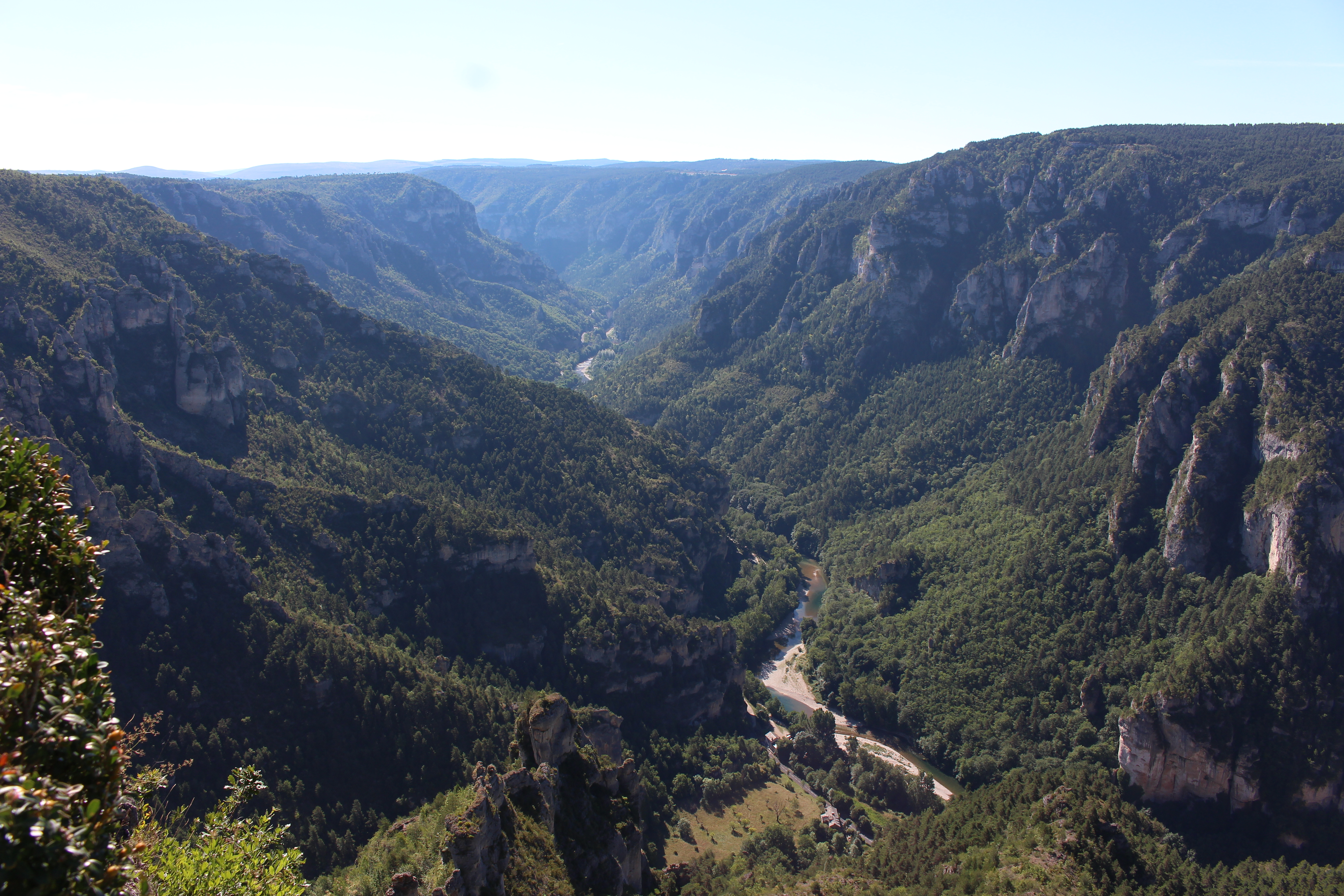
On the other hand, there are places I visit simply because they are unlike anything I know in my daily life. This is the gorge of the Tarn river, not far from Rocamadour. Although it is truly spectacular, it’s not, in my view anyway, the most picturesque of the many canyons in France. But it is remarkable, and the road along the bottom is lots of fun on a motorcycle or in a performance car. It too is crawling with tourists, especially campers, and mobile homes are a constant menace on the road. This picture is taken from the Pointe Sublime where I sat alone for a long while and absorbed the view.

In the end perhaps it doesn’t matter whether I am a tourist or a traveller. I visit what I like and take whatever meaning I attach to heart. And that, in the end, is the most significant.

Traffic

July 11: Living in Toronto, I accept traffic congestion as a way of life. It’s a big city, and there’s a lot going on. Life is hectic. People are rushed and need to move around. Sadly, the preferred method is the car. With the  summer construction program well underway, there are bound to be delays. And with delays there are real costs to drivers, urban life, and our health through increased emissions.

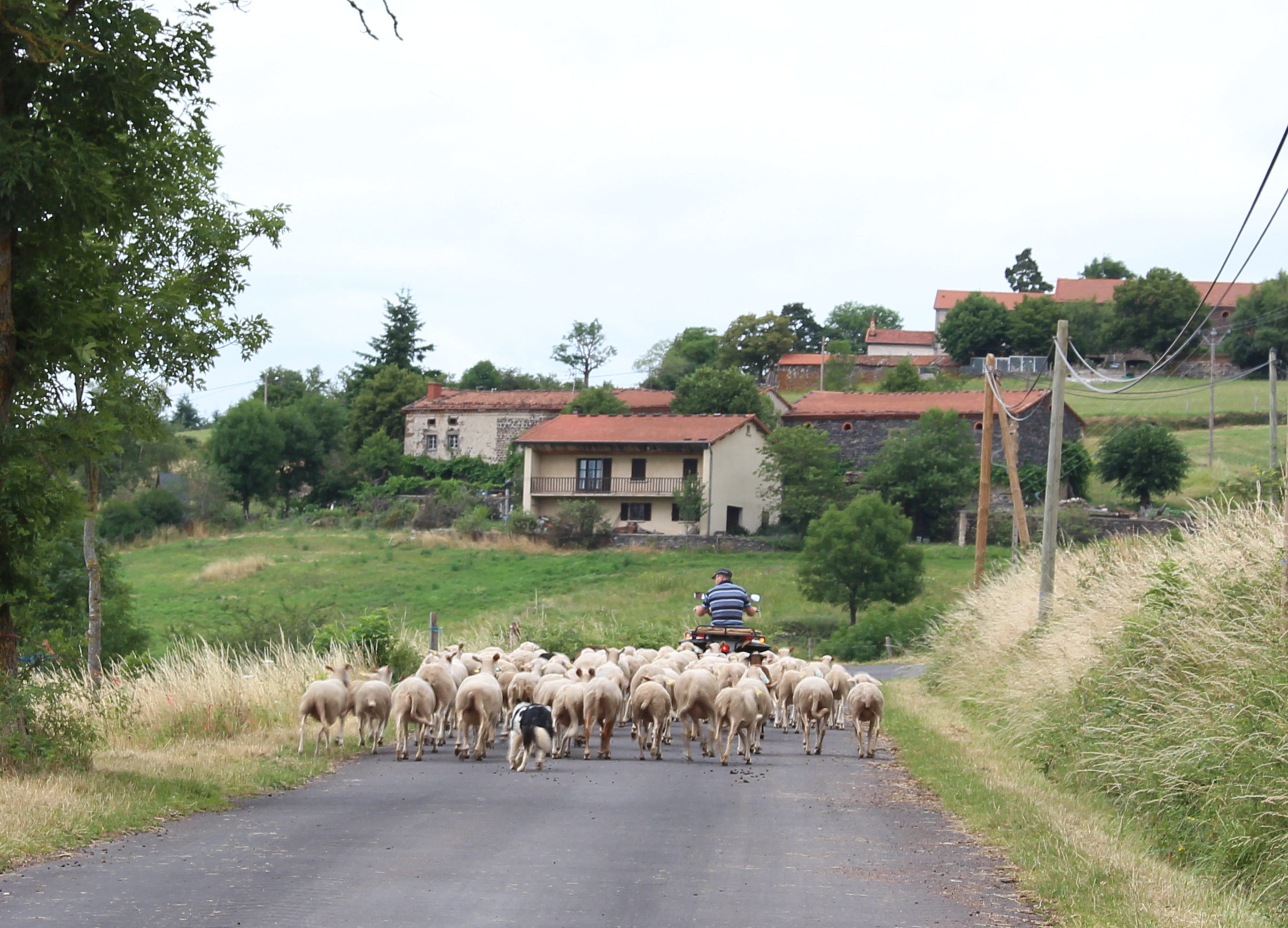
The last thing I expected when coming to rural France was traffic congestion, but it happens here too. Like Canada, there are construction projects , detours, and  delays everywhere. But this morning, congestion was far worse. We trundled along at a walking pace for the longest time while this convoy made its’ way to work. The road was jammed and the emissions were terrible. Finally, it turned off, leaving only the gentle reminder of a different pace of life.

And those emissions….

How I Have Fun

July 9: Fun is where you find it.

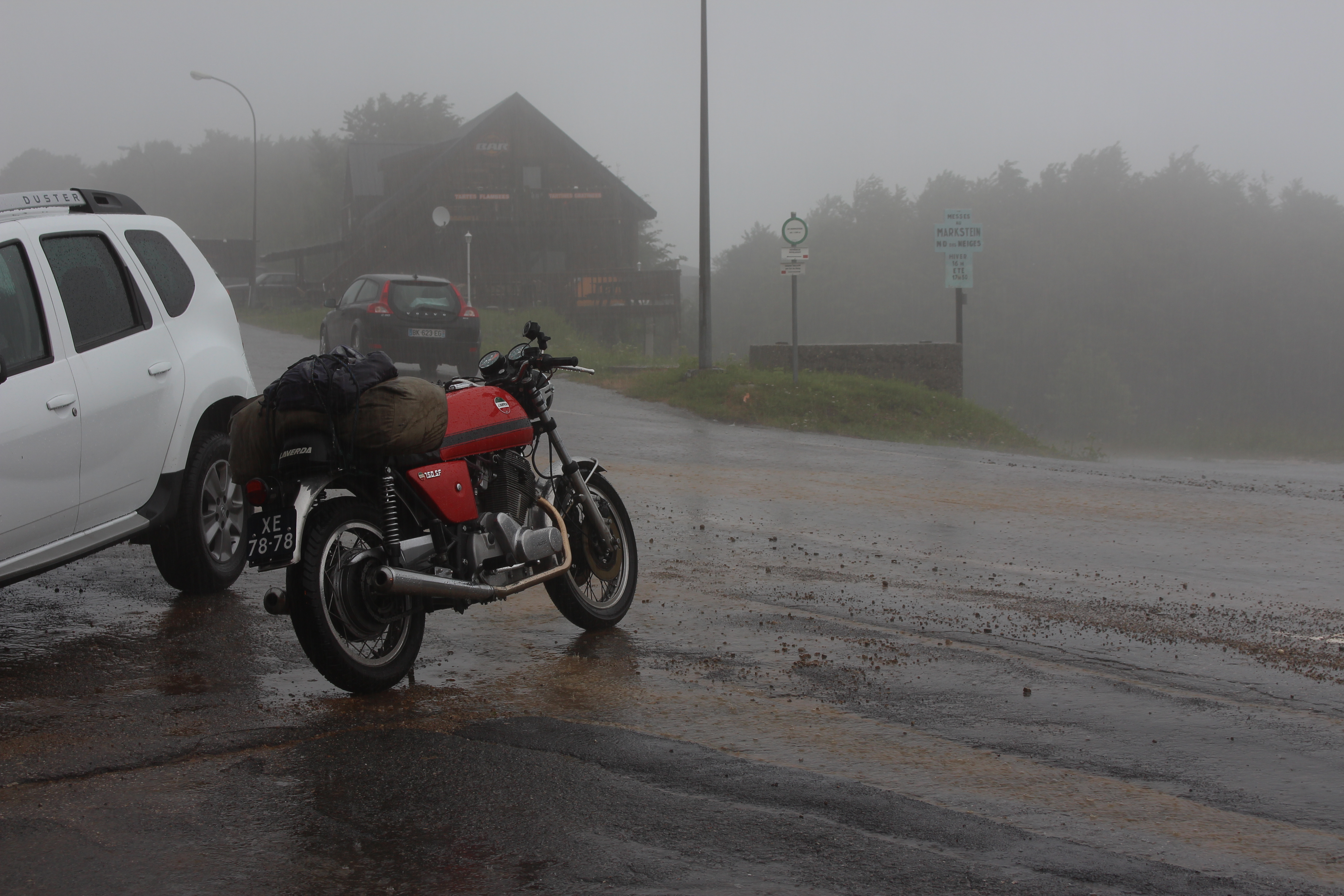
This is a Laverda. It is an Italian motorcycle, and this particular one is more than 40 years old. It is sitting in the pouring rain at the top of a pass called Le Markstien, not far from Colmar. After this picture was taken, I got on my bike and headed out. The rain intensified and then the fog rolled in, so thick that I could see perhaps 10 metres. It was like that most of the way to the bottom of the pass, and probably the worst conditions I have ever ridden through. And that covers a lot of territory….

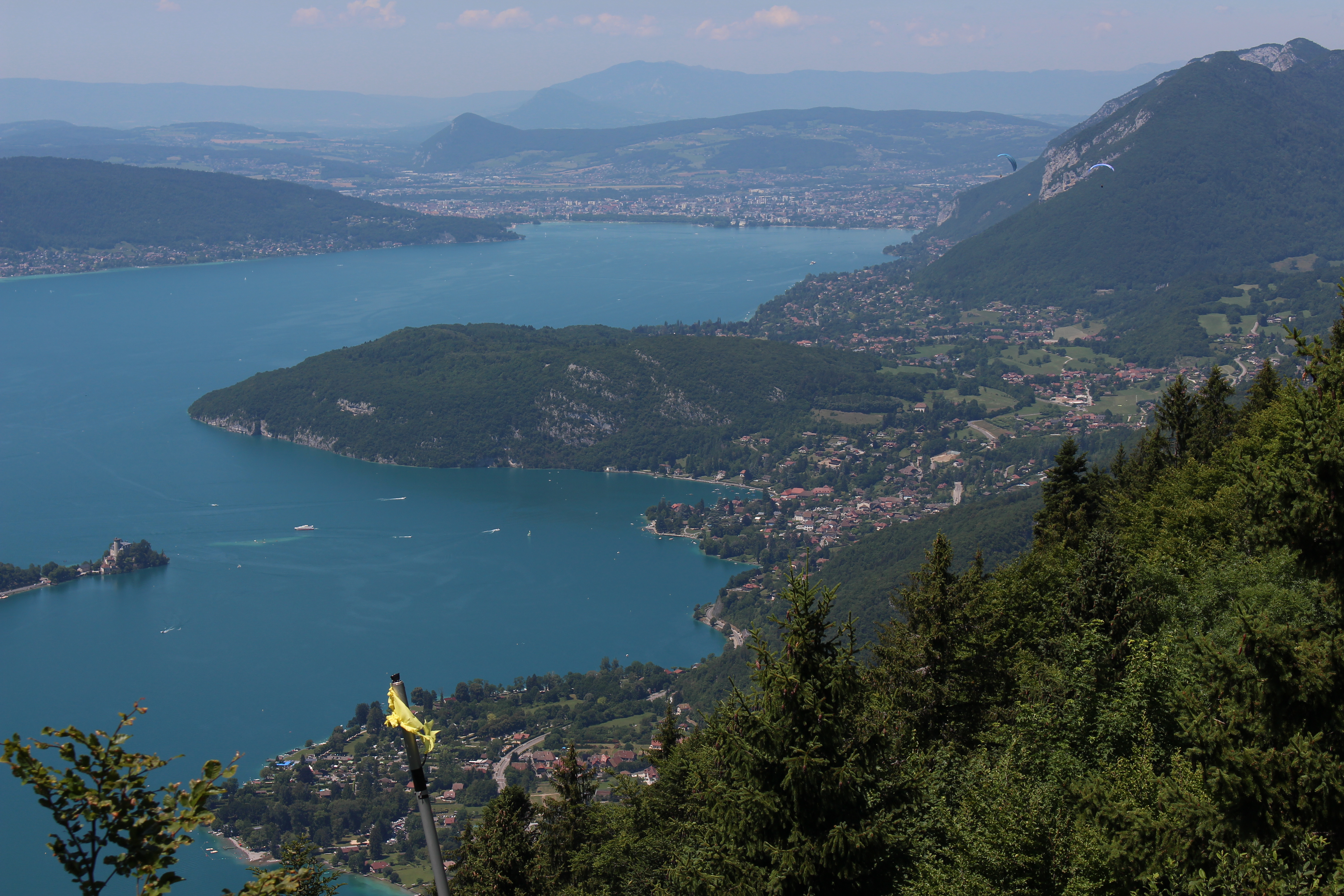
On the other hand, this is a picture from the top of Col de le Forclaz. It runs along the east shore of Lac d’Annecy, which you see in the picture. The Col was used by the Tour de France a couple of years back. It ends (or begins, I suppose) in Talloires, which is pretty much in the centre of the picture, where I stayed for the night. I got lost 3 times trying to find the Col, and hit a patch of gravel on the way to the bottom that had me momentarily sideways.  It gave new meaning to the phrase “pucker factor”. As you can see, the lake is not that large – perhaps 10 km long and certainly smaller than Lake Muskoka for instance. But every inch of the shoreline is developed with towns, private homes,  and roads, with only an occasional public park or beach. Little wonder that many Europeans think our northern lakes are “unspoiled wilderness”.

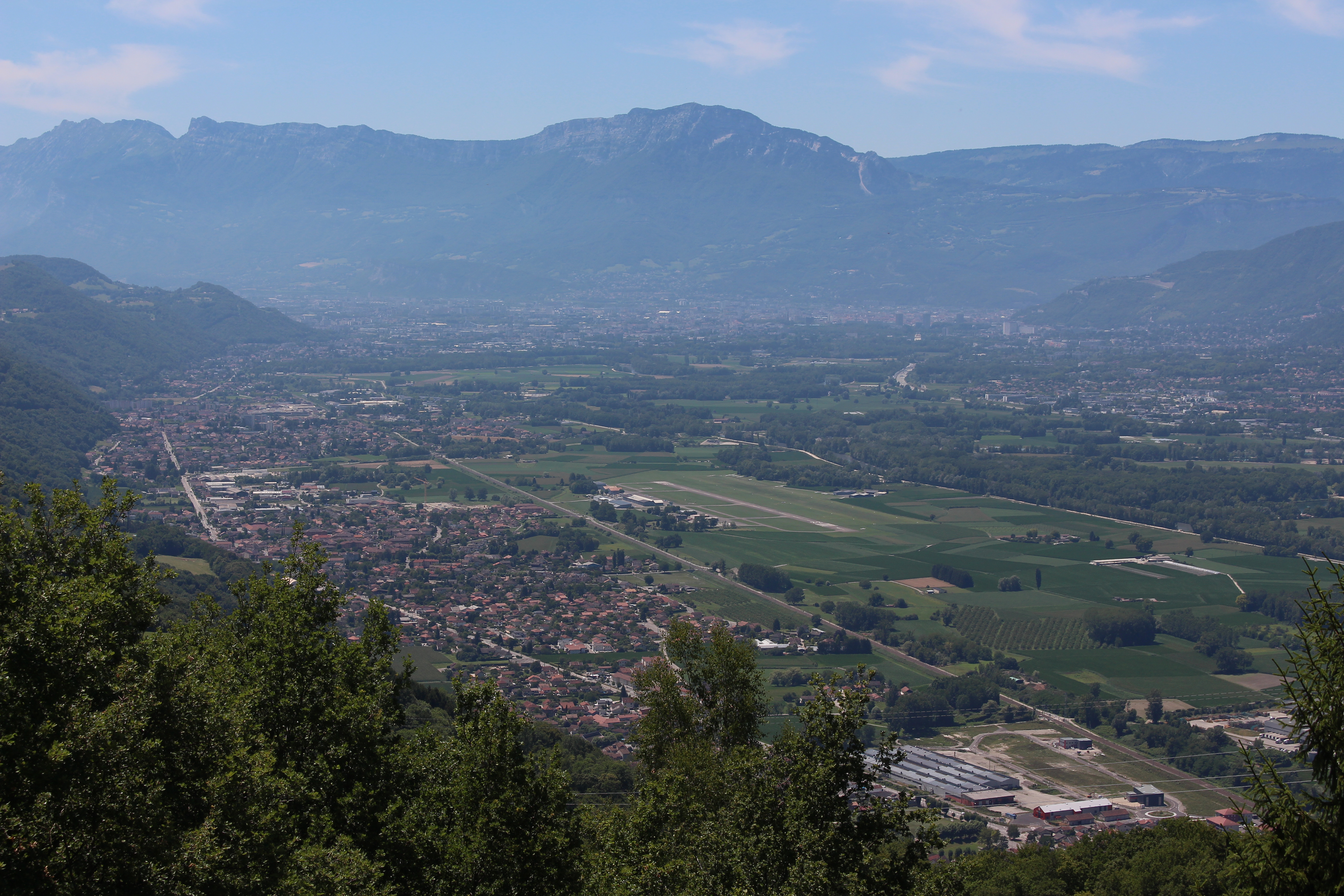
The city in the distance is Grenoble. You can tell from the haze that it is very hot, perhaps 40C. I came down a secondary highway which started out as a really fun ride, but gradually deteriorated as the afternoon wore on. Finally I hit a stretch of 5km of pea gravel on hot asphalt where they were resurfacing the road. Some of my friends enjoy the sensation of sliding a bike round some corners – I do not. And just as I was thinking things couldn’t get much worse, the dogs appeared. Two of them. Full charge toward the side of the bike. Much cursing and a few well-aimed swipes of the boots and I escaped unbitten.

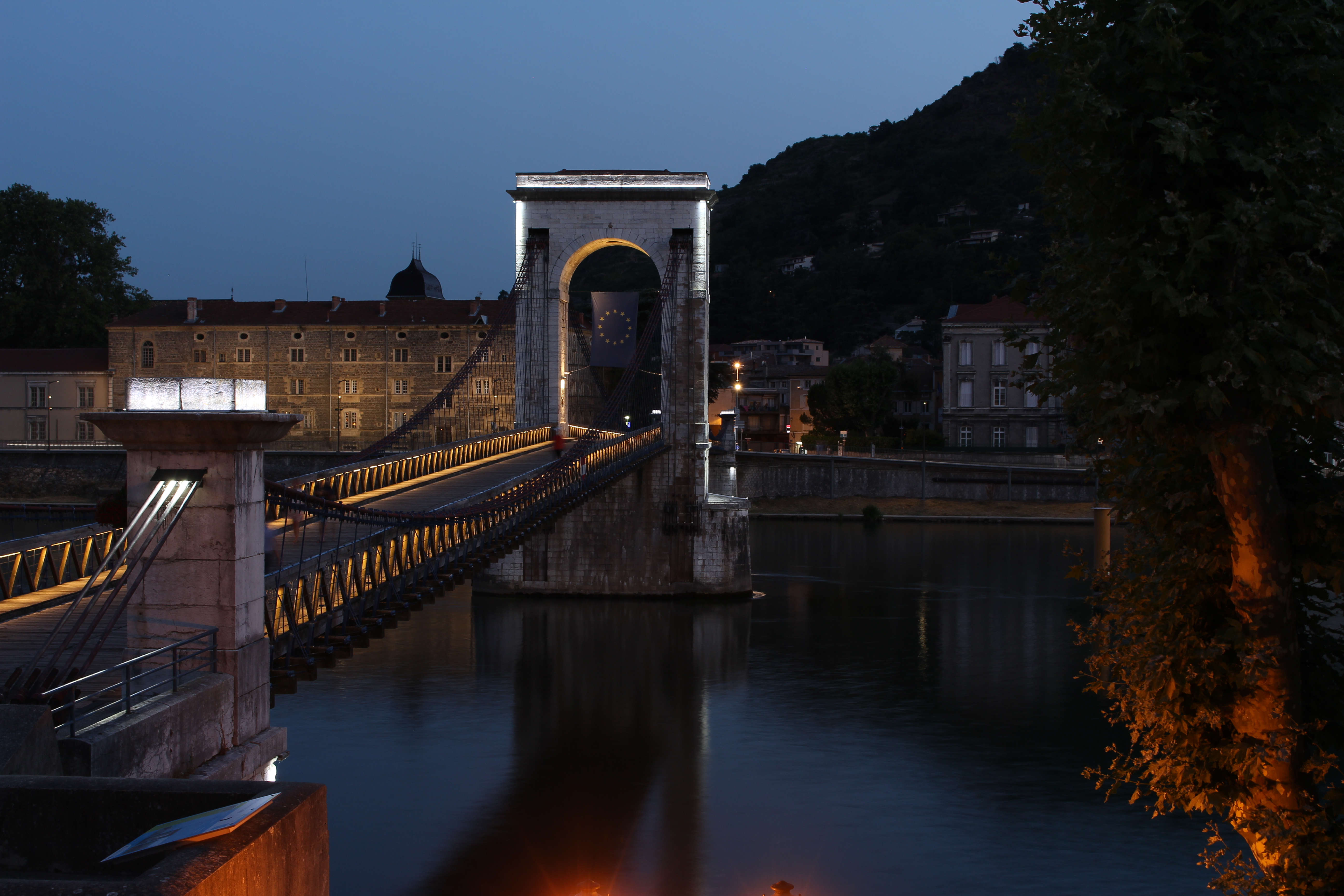
Every day brings some new form of “fun”. If I persevere, I know I will find a comfortable hotel room, perhaps not always as nice as this one looking out on the Rhone in Tain L’Hermitage. There I can have a hot shower and  reflect on the day. The challenge of riding, dealing with the weather, avoiding large dogs… With that comes a satisfaction that is hard to describe. As the old axiom says: “For those who understand, no explanation is needed. For those who don’t, no explanation is possible”. Call it “fun” if you will. It certainly keeps me motivated to see what tomorrow will bring.